Buying a used car can be a daunting task. Many buyers worry about hidden damages that may affect the vehicle's performance. This concern raises the important question: How to avoid buying a damaged used car?
To navigate the used car market safely, you need knowledge and careful observation. Inspecting the car thoroughly is crucial. Look for signs of wear or unusual repairs. These details can reveal a lot about the car's history. Trust your instincts if something feels off.
Consult professionals or knowledgeable friends before making a purchase. Their expertise can uncover red flags you might miss. Furthermore, utilize online resources. Vehicle history reports can provide crucial information about past accidents. In this way, you can make an informed decision and avoid costly mistakes.
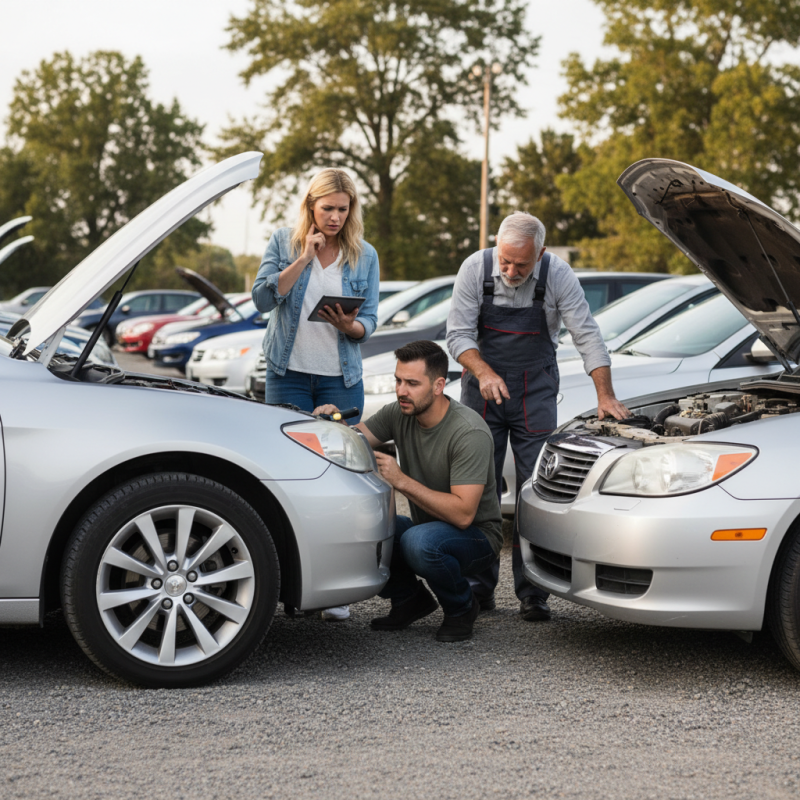
When considering a used car purchase, understanding the risks involved is crucial. Damage can be hidden beneath the surface. A seemingly perfect exterior might conceal significant mechanical issues.
Inspecting a vehicle thoroughly is not optional; it's essential. Pay close attention to signs of wear and tear, such as rust, dents, or unusual smells from the engine compartment. These small details can indicate larger problems.
Consider obtaining a vehicle history report. This can reveal previous accidents or flood damage. Even minor damage can lower the vehicle's value significantly. A solid understanding of what to look for helps in making an informed decision.
Be wary of sellers who press for a quick sale. They may have something to hide. Trust your instincts; if a deal seems too good, it probably is.
Having a trusted mechanic inspect the car before purchase can save you from future costs. This step might seem unnecessary, but it can uncover issues that aren't immediately visible. You might think you're saving money,
but the hidden repairs could add up quickly. Stay vigilant and informed. The journey of buying a used car can be challenging, but gaining knowledge will empower you to make safer choices.
When considering a used car, understanding its history is crucial. Begin by researching the Vehicle Identification Number (VIN). This unique code provides key details about the car's past. Enter the VIN into online databases to uncover any accidents, service records, or title issues. A clean history report can give you peace of mind.
However, not all data is perfect or complete. Sometimes, discrepancies arise in records. A car might have hidden damage that reports do not reveal. Engaging with a trusted mechanic for a pre-purchase inspection can help identify potential issues. This step adds another layer of safety.
Always ask the seller questions about the car's background. Their answers can help gauge the car's condition. Yet, be wary of vague responses. A transparent seller should provide relevant documents, recent service records, and identifiable history. Stay alert for inconsistencies; they can indicate deeper problems that require further investigation.
This bar chart illustrates the number of reported damaged used cars over the past six years. Monitoring this data can help potential buyers make informed decisions when purchasing a used vehicle.
When considering a used car, performing a thorough visual inspection is crucial. Research from the National Automobile Dealers Association indicates that nearly 40% of used cars have some form of hidden damage. This statistic underscores the importance of inspecting all areas of the vehicle. Pay close attention to the body panels for any signs of rust, dents, or uneven paint. These issues can indicate previous accidents or poor repairs.
Look beneath the car for leaks and rust in the undercarriage. A damaged frame can lead to serious safety concerns. Check the tires for even wear. Uneven wear could suggest alignment issues or suspension problems. Additionally, assess the headlights and taillights for cracks or condensation inside the lenses. Such details can often hint at a car's overall maintenance history.
Bring a flashlight to inspect tight spaces like under the hood. Look at the belts for cracking or fraying. Don’t hesitate to touch surfaces for abnormal wear. If you observe excessive dirt or grease, it might suggest neglect. Every small detail matters when evaluating a used car. Trust your instincts, and if something feels off, it might be worth walking away.
| Inspection Area | What to Look For | Potential Issues |
|---|---|---|
| Exterior Body | Dents, scratches, rust | Previous accidents, poor maintenance |
| Tires | Tread depth, uneven wear | Alignment issues, future replacement needed |
| Windows | Cracks, chips, seals | Water leaks, visibility issues |
| Engine Bay | Fluid leaks, corrosion | Major mechanical problems |
| Interior | Seats, dashboard, controls | Wear and tear, malfunctioning components |
When considering a used car, a test drive is crucial for assessing the vehicle's performance. This is not just a casual ride; it’s your opportunity to detect any issues. Pay attention to how the engine starts. Does it roar to life or struggle? Listen for unusual noises, like squeaks or rattles. These can indicate underlying problems.
During the test drive, evaluate the handling and braking. Does the car steer smoothly? If it pulls to one side, there may be alignment issues. Check how the brakes respond. They should feel firm without any grinding sounds. Such details may reveal a car that's been poorly maintained. Look around for wear and tear, such as cracked dashboards or worn-out seats. These signs can hint that the car has not been cared for properly.
Be mindful of your instincts throughout the drive. If something feels off, trust that feeling. Sometimes, the most obvious flaws can be overlooked in the excitement of a good deal. Reflect on what your experience tells you about the car's condition. Ultimately, your comfort and safety are paramount. Don’t rush into a decision based solely on emotion.
When considering a used car, a professional mechanic's evaluation can save you from future headaches. Most buyers focus on the exterior and interior but overlook hidden mechanical issues. A mechanic can spot signs of damage that you might miss. This evaluation is crucial, especially for older models or those with high mileage.
During the evaluation, the mechanic will check various components. They’ll inspect the engine, brakes, and transmission. Listen carefully to their feedback. A simple problem could indicate deeper issues. Even if a car looks fine, a detailed inspection might reveal significant concerns.
Investing in this step can provide peace of mind. It may feel like an added expense, yet it’s well worth it. You'll avoid costly repairs later, which could outweigh your initial savings. Choose a mechanic with solid experience and good reviews. Their expertise will guide your decision-making process.
: Hidden damage might exist. A perfect exterior can hide mechanical issues. Always inspect thoroughly to avoid surprises.
It reveals essential information, like past accidents or flood damage. Minor issues can significantly reduce the car's value.
Pay attention to engine performance and handling. Listen for unusual noises, and check brakes and steering responsiveness closely.
Inspect for rust, dents, and unusual odors. Check for cracked dashboards or worn seats to assess how well the car was cared for.
A mechanic can uncover hidden mechanical problems. Their insights can prevent future costly repairs that might arise from unnoticed issues.
Trust your instincts. If anything feels wrong, take it seriously. Rushing into a purchase can lead to regret later.
Yes, their experience is valuable. A good mechanic will catch issues you might miss and guide your decision for safer choices.
Be cautious of sellers pushing for quick sales. It could indicate that they are trying to conceal a problem.
Yes, but this cost can save you from bigger expenses later on. It's a worthwhile investment for peace of mind.
Stay informed and vigilant. The process can be tough, but knowledge helps you make safer and better decisions.
When considering how to avoid buying a damaged used car, it is crucial to understand the inherent risks involved in purchasing a pre-owned vehicle. Start by researching the car's history and its Vehicle Identification Number (VIN), which can reveal past accidents, service records, and title issues. A thorough visual inspection can help identify any signs of damage or poor repairs, while a comprehensive test drive will allow you to evaluate the vehicle’s performance and check for any unusual sounds or handling issues.
Additionally, seeking a professional mechanic's evaluation before finalizing the purchase is an essential step in ensuring the car is in good condition. This unbiased inspection can uncover hidden problems that may not be apparent to the average buyer. By following these steps, you can make an informed decision and significantly reduce the chances of buying a damaged used car.

Pixy Car