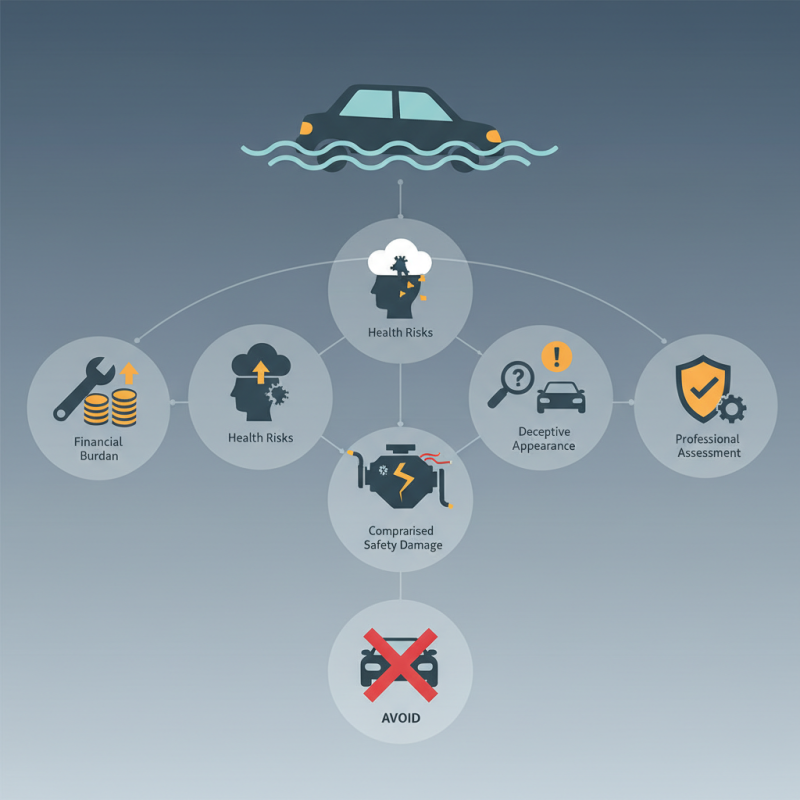
Flood-damaged cars present significant risks that buyers often overlook. The National Insurance Crime Bureau reports that around 400,000 vehicles damaged by floods are on U.S. roads each year. These vehicles may appear fine at first glance but often hide severe issues that can compromise safety. Water exposure can damage critical components, including the engine, electrical system, and brakes, leading to potential accidents.
Why should I avoid flood-damaged cars? First, they can lead to long-term financial burdens. Repairs for hidden damages might cost much more than initial savings on the purchase price. Additionally, cars showing signs of water damage can harbor mold, affecting air quality. This health risk is often unnoticed until it becomes a severe issue.
Understanding the pitfalls related to flood-damaged vehicles is crucial for informed decision-making. While some may feel confident in their ability to identify a good deal, the unseen dangers can be deceptive. Thorough inspections and professional assessments are vital but not always foolproof. Relying on expert knowledge and credible sources can prevent costly mistakes when choosing a vehicle.
Understanding Flood Damage and Its Impact on Cars
Flood damage can severely impact a vehicle's safety and longevity. Water can corrode essential electrical systems, leading to costly repairs. Rust can weaken metal components, potentially compromising structural integrity. Mold growth inside the vehicle can pose health risks. Understanding these issues is crucial when evaluating a used car.
When buying a used car, examine the maintenance records. Look for any indication of flood damage. A comprehensive vehicle inspection can reveal hidden signs. Check for rust in unusual places, like under the dashboard or in the wheel wells. Pay attention to the smell of mildew, which may indicate water intrusion.
Here are some tips to help you avoid buying a flood-damaged car. Always take a test drive. Listen for any unusual sounds and check if the electronics function properly. Consider having the car inspected by a trusted mechanic. They can provide insights you might overlook. Don’t rush the buying process; patience can save you from significant future expenses.
Identifying Evidence of Water Damage During Inspection
When inspecting a used car, look closely for signs of water damage. Check the interior thoroughly. Water stains on upholstery, carpets, or in the trunk can indicate flooding. Cracked dashboards or rust on metal components also raise red flags. Pay attention to unusual odors, such as mildew or a musty smell, which can signal past moisture exposure.
Examine electrical systems carefully. Water can damage wiring and circuit boards. Test all lights, windows, and other electronic features. A malfunctioning component could hint at severe water exposure. Additionally, check for signs of mud or sand in crevices. These particles can stick around long after the flood, betraying potential hidden damage.
It's also important to research the vehicle history. Sometimes, a cosmetic fix can hide extensive damage. Request a vehicle history report to uncover any flood-related incidents. If the seller seems evasive about the car's past, it’s best to walk away. Stay vigilant and trust your instincts when examining a used vehicle; safety should always come first.
Key Questions to Ask Sellers About Vehicle History
When considering a used vehicle, understanding its history is crucial. Flood-damaged cars can seem appealing but often hide serious issues. Asking the right questions can reveal hidden problems. Confirm if the seller has a vehicle history report. This document should detail any flood damage.
Probe into the vehicle's maintenance records. Ask if extensive repairs were made after flooding. Check for signs of water damage, like rust or mildew. A musty smell in the cabin can be a red flag. Inspect the electrical systems. Water exposure often leads to electrical and mechanical failures.
Inquire about the seller’s ownership period. A quick turnover might suggest trouble. Lastly, request any insurance claims related to flooding. Transparency in these matters is key. A trustworthy seller should provide clear answers. Knowledge about these factors can safeguard you from future headaches.
How to Avoid Purchasing Flood Damaged Cars for Safety
| Key Questions |
Information to Look For |
Signs of Flood Damage |
| Has the vehicle ever been flooded? |
Ask for a Vehicle History Report (VHR). |
Musty odor, mildew, or water stains. |
| What repairs have been made? |
Request detailed records of repairs. |
Wiring corrosion or electrical issues. |
| Has the car been inspected by a mechanic? |
Check for inspection records. |
Rusty or waterlogged areas under the seats. |
| Is there a salvage title? |
Verify title history through VHR. |
Unusual wear and tear on floor mats. |
| Can I see the water damage report? |
Request documentation of any water damage. |
Silt or mud residue in crevices. |
Utilizing Vehicle History Reports for Flood Damage Insights
When considering a used vehicle, obtaining a vehicle history report is crucial. These reports provide essential insights into a car's past, particularly regarding flood damage. Research indicates that cars with flood history have a higher chance of hidden problems. According to the National Insurance Crime Bureau, around 400,000 flood-damaged cars hit the market annually. This number underscores the importance of due diligence when purchasing.
Vehicle history reports typically include details about prior damage and insurance claims. They can reveal if a vehicle has been exposed to significant water, which could lead to electrical or mechanical failure. A staggering 70% of cars involved in flood incidents suffer long-term issues, impacting safety and reliability. Ignoring this information can result in serious consequences for drivers.
Challenges exist even with vehicle history reports. They may not always disclose every detail. Certain flood-damaged cars can be cleaned up effectively, making them difficult to identify. It's essential to remain vigilant and consider professional inspections. Despite the availability of data, relying solely on reports might overlook the nuances of specific vehicles. Authenticity and transparency of reports can vary, emphasizing the need for comprehensive research.
Consulting Professionals for Comprehensive Vehicle Assessments
When considering the purchase of a used vehicle, consulting professionals is crucial, especially regarding flood-damaged cars. According to the National Vehicle Title Information System, approximately 250,000 flood-damaged cars hit the market each year. These vehicles often undergo superficial repairs, hiding significant structural and mechanical issues.
Experts recommend a comprehensive vehicle assessment to uncover hidden damages. A well-conducted evaluation can identify rusting components, electrical failures, and mold, commonly found in flood-affected vehicles. For instance, mechanics emphasize checking the engine and transmission fluids for contaminants. Using a moisture meter can reveal hidden water damage in the interior.
While many buyers rely on visual inspections, this approach can be misleading. Signs of water damage may not be immediately visible. Thus, enlisting a certified inspector who understands the nuances of water-damaged vehicles is essential. Reports from the Insurance Institute for Highway Safety highlight that improperly repaired vehicles can lead to increased safety risks. Investing time in a professional assessment can save money and ensure a safer driving experience.
FAQS
: Check for water stains, cracks, and rust. Look for unusual odors that indicate moisture exposure.
Test all lights and electronic features. Malfunctioning components may signal water damage. Check wiring for signs of deterioration.
It reveals past damage and important incidents. Knowing any flood history helps prevent future problems.
Ask for a vehicle history report and any maintenance records. Inquire about ownership duration and past repairs.
A musty smell may suggest water exposure. It’s essential to investigate further for potential hidden damage.
Yes, reports may not reveal every detail. Some cars can be cleaned up well, hiding their flood history.
Research shows that about 70% of flood-affected cars suffer from long-term complications.
If the seller avoids questions about the car's history, walk away. Trust your instincts in such situations.
Particles left in crevices can indicate past flooding. They may signal hidden damage inside the vehicle.
Ignoring signs of water damage can lead to significant safety issues and vehicle failures down the line.
Conclusion
When considering a used car purchase, one critical question is, "Why should I avoid flood-damaged cars?" Understanding flood damage and its impact on vehicles is essential, as it can lead to severe long-term issues, such as electrical system failures and structural integrity problems. During inspections, buyers should be vigilant in identifying signs of water damage, which can include discoloration, mold, and unusual odors.
In addition to personal inspections, asking sellers key questions about the vehicle's history can uncover any potential flood damage. Utilizing vehicle history reports can provide additional insights into past incidents, including flood-related events. Finally, consulting professionals for a thorough evaluation can help ensure that buyers make informed decisions, ultimately avoiding the pitfalls associated with flood-damaged vehicles. By following these guidelines, individuals can enhance their chances of selecting a safe and reliable car.

 Pixy Car