Buying a used car involves more than comparing mileage, color, and monthly payments. The paperwork proves what you are buying, who owns it, and whether you can legally register it. A clean-looking vehicle can still have missing records. That possibility deserves attention.
So, what paperwork do I need for a used car? Ronald Montoya, former Senior Consumer Advice Editor at Edmunds, has emphasized this practical advice: “The most important thing you can do when buying a used car is get a pre-purchase inspection.” His point applies to paperwork too. Documents and physical condition must support the same story.
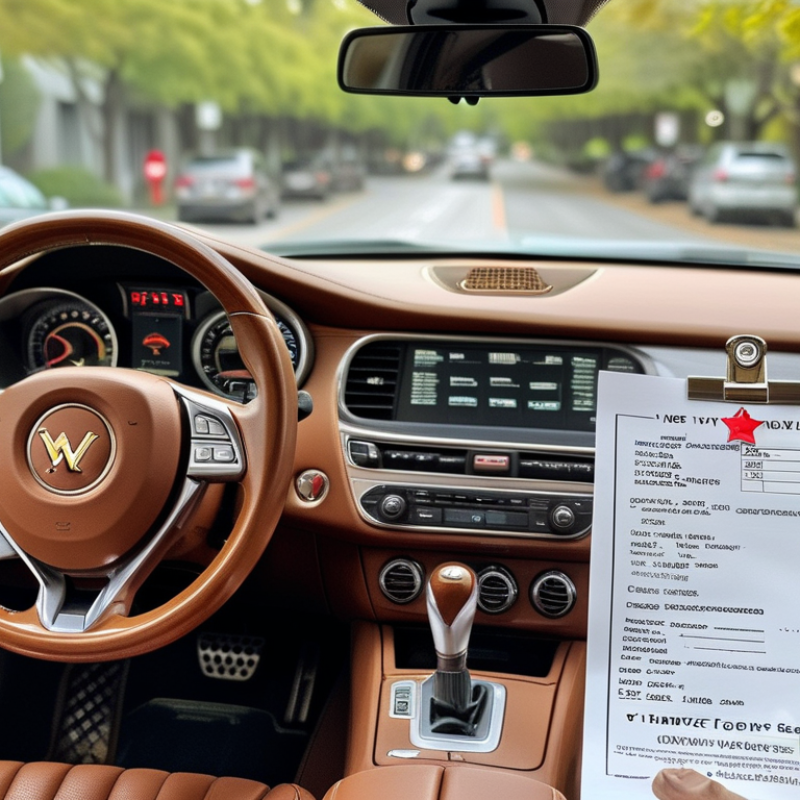
Expect to review the original title, seller’s identification, bill of sale, vehicle identification number, and odometer disclosure. Ask for maintenance invoices, inspection reports, warranty documents, and any lien-release paperwork. Match the VIN on the dashboard with the title and every service receipt. One incorrect digit matters.
The exact requirements depend on your state or country. Check the official motor-vehicle agency before signing anything. Some regions require emissions certificates, safety inspections, insurance proof, or temporary registration forms. Keep copies of every document, including payment records and written promises about repairs.
Do not rush the signature.
A seller who avoids basic questions may not be dishonest, but the risk is yours. I have seen buyers focus on a polished interior and overlook an incomplete title. That is an expensive lesson. A careful paperwork review cannot guarantee a perfect car, yet it can reveal serious problems before your money disappears.
Set Your Budget and Define the Right Used Car
A sensible used-car purchase begins before you browse listings.
Set a firm budget, not a hopeful one. Include the purchase price, registration fees, insurance, fuel, and immediate repairs. Keep a separate reserve for tires, fluids, and an unexpected warning light. A practical rule is leaving room for several months of ownership costs. I have seen buyers spend every available dollar, then postpone basic maintenance. That choice quickly makes a “cheap” car expensive.
Define what the car must do each week.
Write down passengers, cargo, commute length, road conditions, and parking limits. A small vehicle may suit city streets, but not frequent hauling. A larger vehicle may offer space, yet consume more fuel and cost more to maintain. Compare service records, mileage, inspection notes, and repair estimates. Do not choose equipment you rarely use. It raises the price without improving daily life. Test the seats, visibility, controls, and loading space yourself. Numbers cannot reveal every discomfort.
Before paying, match the vehicle identification number across the car and documents.
Check ownership papers, service records, inspection certificates, and available finance information. Requirements differ by location, so confirm the transfer process with the relevant government office. Arrange an independent inspection, even if the seller seems trustworthy. I once underestimated a smooth test drive; a mechanic later found worn suspension parts. My judgment was too optimistic. Build time for a second look, and walk away when the paperwork or condition feels unclear.
Check the Vehicle History and Confirm Its Market Value
Buying a used car requires more than a test drive and a clean-looking interior. The paperwork can reveal problems that paint and upholstery hide. Ask for the vehicle identification number before meeting the seller. Use it to check the vehicle history for reported accidents, mileage changes, theft records, and ownership transfers. Read every entry carefully. A history report is useful, but it is not perfect.
Request the current ownership document, maintenance records, inspection documents, and a written bill of sale. Confirm that the seller’s name matches the ownership paperwork. Check whether any finance claim remains attached to the vehicle, where local records provide that information. The odometer reading should match the dashboard, service invoices, and history report. Small gaps deserve questions. Sometimes, buyers overlook them because the car feels like a bargain.
Then confirm the car’s market value using several comparable listings. Match the year, mileage, engine type, condition, accident history, and included equipment. A low price may reflect hidden repair costs rather than genuine savings. Arrange an independent inspection before paying, even if the car drives smoothly. I have seen buyers focus too heavily on monthly affordability and ignore worn tires, leaking fluids, or overdue maintenance. That judgment can be costly. Keep copies of every document, and check local requirements for registration, taxes, inspections, and ownership transfer. The process may feel slow. It is still cheaper than correcting a rushed decision.
Inspect, Test-Drive, and Evaluate the Car’s Condition
How to Buy a Used Car: What Paperwork Do You Need?
A careful inspection often reveals more than a polished advertisement. I walk around the car in daylight, checking mismatched paint, uneven panel gaps, cracked lights, and damp carpets. Look beneath the hood for fresh oil, loose belts, or unusual smells. Cold starts matter because warmed engines can hide difficult symptoms. Ask the seller not to start the car before you arrive.
During the test drive, notice how the engine responds, how the transmission shifts, and whether the steering pulls. Test the brakes gently, then more firmly in a safe area. Listen for clicking, grinding, or suspension knocks over uneven roads. Check the air conditioning, windows, dashboard warnings, lights, and seat belts. I once ignored a faint vibration because the car felt comfortable. That mistake became an expensive repair.
Tips: Bring a flashlight, phone camera, and a trusted mechanic if possible. Compare the vehicle identification number on the car with the title and service records. Review mileage carefully and ask about missing maintenance history. A seller who refuses an independent inspection deserves caution. Paperwork requirements vary by location, so verify the title, registration status, bill of sale, and transfer forms with the relevant local authority. Do not rely only on verbal promises. Write important agreements down.
Verify the Bill of Sale, Title, Registration, and Safety Documents
Buying a used car requires more than a friendly handshake. The paperwork should tell one consistent story.
Start with the bill of sale. Record the vehicle identification number, sale price, mileage, date, and both parties’ legal names. Add any promises about repairs or included equipment. Compare every detail with the title. The seller should sign the title exactly as shown. Check for liens, an “export only” note, or an unusual ownership gap. The U.S. Department of Justice says NMVTIS connects title information from all 50 states, Washington, D.C., and participating territories. A title-history check can reveal salvage, flood, or theft records. It is not perfect. Some records update slowly.
Registration proves the vehicle was registered, not that it is mechanically safe. Match its plate, VIN, and expiration date with the car. Ask for the latest safety inspection, emissions certificate, recall-completion record, and service receipts. The National Highway Traffic Safety Administration’s 2023 recall data listed more than 1,000 recalls affecting over 30 million vehicles. A missing recall document deserves attention. Call the issuing inspection office when possible. Do not rely on a screenshot.
A practical mistake is treating a thick folder as evidence. I would still inspect the VIN plate, odometer, and signatures in daylight. Keep copies of every document, including payment proof and written disclosures. If the seller resists basic verification, pause the purchase. That pause may feel awkward. It is cheaper than correcting a mismatched title later.
Complete Payment, Ownership Transfer, Insurance, and Registration
How to Buy a Used Car: What Paperwork Do You Need?
Buying a used car requires more than checking its engine and paint. Before payment, request the original ownership document, a signed bill of sale, and the vehicle history report. Check that the vehicle identification number matches every document and the car itself. Confirm the seller’s legal name and address. Ask whether any loan remains on the vehicle. If so, obtain written proof of release before completing the purchase.
Complete payment with a traceable method and record the exact amount, date, and vehicle details. Do not rely on a verbal promise. Both parties should sign the bill of sale. After purchase, contact an insurance provider before driving away. Most regions require active coverage before registration. Take the signed ownership document, bill of sale, insurance proof, identification, and any required inspection certificate to the local registration office. Requirements differ by location. Check the official government website first. A small paperwork mismatch can create weeks of delay. I once underestimated this risk; it was an avoidable mistake.
Tips: Bring a second person to review documents. Photograph each page before leaving. Verify the odometer reading carefully. Keep payment records and copies in two places. If the seller refuses basic paperwork, pause the deal. Trust your checks, not pressure.
Used Car Purchase Paperwork Checklist
Each stage below shows the typical number of paperwork items a buyer should prepare or verify. Exact requirements, fees, and deadlines vary by location, so confirm details with the relevant motor-vehicle authority and insurer.
FAQS
Request the ownership document, maintenance records, inspection papers, history report, and written bill of sale. Keep copies.
Compare the vehicle identification number on the dashboard, ownership document, service records, and history report. They must match exactly.
It may show accidents, mileage changes, theft records, and ownership transfers. Read every entry carefully. Reports are not perfect.
Compare the dashboard reading with service invoices and history records. Small differences need clear explanations. Do not ignore them.
Compare similar cars by year, mileage, engine type, condition, accident history, and equipment. A low price may hide repair costs.
Walk around the car in daylight. Check mismatched paint, uneven gaps, cracked lights, and damp carpets. Bring a flashlight.
Test the engine, transmission, steering, brakes, lights, windows, air conditioning, and seat belts. Listen for grinding or suspension knocks.
A mechanic may find worn tires, leaking fluids, or overdue maintenance. Smooth driving can be misleading. I once trusted comfort too much.
Use a traceable payment method and record the amount, date, and vehicle details. Both parties should sign the bill of sale.
Arrange insurance before driving away. Submit the signed ownership document, bill of sale, identification, and required certificates to the local registration office. Check local rules.
Conclusion
Buying a used car starts with setting a realistic budget that includes the purchase price, taxes, insurance, maintenance, and possible repairs. Define the type of vehicle, features, mileage, and condition that best match your needs. Before making an offer, review the vehicle history, compare similar cars to estimate fair market value, and arrange a careful inspection and test drive. Check the engine, brakes, tires, lights, interior, and warning indicators, and consider having an independent mechanic evaluate the vehicle.
A key question is, “What paperwork do I need for a used car?” Usually, you should review a complete bill of sale, the original title, current registration, available inspection or safety records, maintenance receipts, and any documents showing outstanding loans have been cleared. After agreeing on the price, complete payment securely, confirm the ownership transfer, obtain insurance, and register the vehicle according to your local requirements. Keeping copies of every signed document will help protect you and simplify future ownership matters.

 Pixy Car