When considering a used vehicle, understanding its accident history is crucial. Research from the National Highway Traffic Safety Administration indicates that nearly 20% of used cars have been in accidents. Knowing "how to check for accident history" can save buyers from unexpected repairs and safety risks.
Accident history can influence a vehicle's value significantly. According to a study by Carfax, a car with a clean history can be worth up to 15% more than one with a reported accident. This statistic underscores the importance of obtaining reliable information before making a purchase. Buyers should not rely solely on dealership claims; thorough verification is essential.
Inadequate research can lead to regrettable decisions. Many buyers overlook vital records, such as title information or past repairs. This oversight may result in purchasing a car that might seem appealing but carries hidden issues. Diligent checking can reveal unexpected facts. Always use reputable sources for thorough assessments before finalizing any transactions.
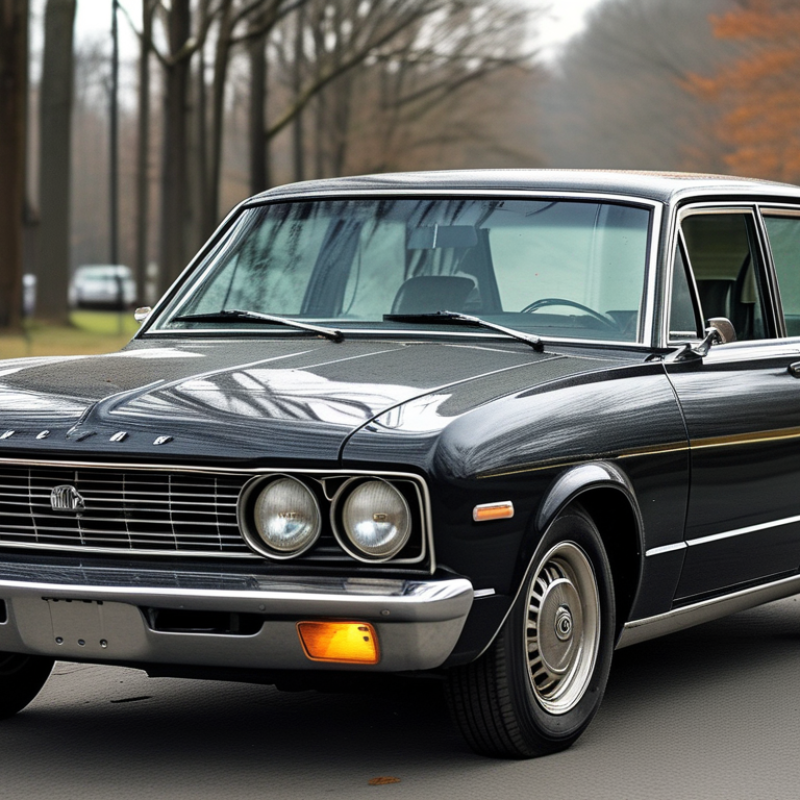
Understanding the importance of accident history in used vehicles is crucial for any buyer. A vehicle's record can reveal hidden issues. Accidents often lead to repairs that can affect performance and safety. For instance, a previously damaged frame may not align properly, leading to uneven tire wear. Such problems are not always visible at first glance.
Moreover, checking the accident history can save you from potential financial losses. A car that has been in a serious accident may have lower resale value. Buyers might face hefty repair bills down the line. Safety features could also be compromised. Understanding a vehicle's past helps you make an informed decision.
Many buyers overlook this aspect. They focus mainly on the price or looks of the car. However, a smart buyer prioritizes information. It’s essential to research a vehicle’s background report. Consider consulting with mechanics or trusted sources. This approach enhances your peace of mind. A well-informed decision leads to a safer and more reliable purchase.
This chart illustrates the various categories of accident histories found in used vehicles. Knowing the accident history is crucial for buyers to assess the vehicle's condition and value before making a purchase.
When considering a used vehicle, verifying its accident history is essential. Various platforms provide reliable vehicle history reports. Services like the National Motor Vehicle Title Information System offer detailed information on accidents. They collect data from insurance companies and state agencies, ensuring you receive accurate information.
You can also check online vehicle history report providers. These platforms often provide easy-to-understand summaries. Look for comprehensive details, including previous damages and repairs. Still, remember that not all accidents may be reported. Some minor incidents may not appear in the history report.
Local mechanics can be an invaluable resource too. They often have experiences with specific vehicles and can spot signs of previous accidents. A thorough inspection by a trusted mechanic before a purchase can reveal hidden issues that reports might miss. Taking these steps can help you make an informed decision when buying a used vehicle.
When considering a used vehicle, an
accident history report is crucial. This report reveals a vehicle's past and can impact its value.
Over 30% of all vehicles experience some form of accident during
their lifetime. Understanding this history helps buyers make informed decisions.
Key details to scrutinize include damage severity. Minor fender benders may be less concerning
than significant structural damage. Reports often highlight if airbags were deployed, signaling more serious
collisions. Don't overlook the vehicle's repair records, which can indicate how thoroughly previous damage was addressed.
These aspects can affect safety and future resale value.
Next, check for title brands like “salvage” or
“rebuilt”. Cars with these designations may present hidden issues, even if repaired.
Research shows that such vehicles often face lower market values. Always consider having an
independent mechanic inspect the vehicle. This second opinion can uncover issues that reports might miss.
Investing time in this research is paramount for making a sound purchase.
When assessing the accident history of a used vehicle, it's crucial to interpret the findings accurately. A report revealing previous accidents can raise red flags. A minor fender bender might seem harmless, but its implications can vary. For instance, if it involved frame damage, you may face serious repair issues later. The extent of the impact can affect safety and resale value significantly.
Consider how many times the vehicle has been in an accident. Fewer incidents generally indicate better reliability. Yet, a vehicle that has been repaired frequently might still function well. It’s essential to balance this information with the vehicle's overall condition. Look out for patterns, like multiple collisions, which might signify deeper problems. Even if repairs were done professionally, lingering issues can cause headaches down the road.
Verify how the previous accidents were handled. Professional repairs ensure safety and functionality, while subpar fixes can be dangerous. If repairs were documented with quality assurance, the vehicle may still be a good choice. Reflect on how the car's accident history aligns with your needs. Emphasizing the importance of a thorough check can guide your decision-making process effectively.
When considering a used vehicle, understanding its accident history is crucial. Many buyers overlook this aspect, but statistics show that around 25% of used cars have been involved in some form of accident. Knowing how to discuss this topic with the seller can help you make an informed decision.
When speaking with the seller, start by asking open-ended questions. For instance, you might say, "Can you tell me about any accidents this vehicle has been in?" This invites the seller to share more details. If the seller is evasive or hesitant, it could indicate a problem. Research shows that clear communication about a vehicle's history helps establish trust.
Consider reviewing reports from reliable sources. These documents often reveal accident involvement, repair records, and more. Additionally, mention specific concerns. You can say, "I noticed this car has had body repairs. What can you tell me?" This prompts the seller to provide clarity. However, be prepared for inconsistencies. Sometimes sellers may not disclose all relevant information. Always cross-check their claims with documented evidence.
: Verifying accident history is crucial for making informed decisions about used vehicles.
You can get reports from various online platforms and the National Motor Vehicle Title Information System.
Reports include accident details, damages, and repair histories, offering insight into the vehicle's past.
Not all accidents are reported. Minor incidents may not appear in these reports.
Local mechanics can identify signs of previous accidents through thorough inspections.
Ask open-ended questions like, "Can you tell me about any accidents this vehicle has been in?"
Evasiveness may indicate issues. Trust your instincts and consider conducting further checks.
No, always cross-check their claims with documented evidence and reliable reports.
Clear communication and asking specific questions can help establish trust during discussions.
Yes, risks include hidden damages that might not be reported or repaired correctly.
When considering a used vehicle, understanding how to check for accident history is crucial for making an informed decision. An accident history report can reveal past incidents that may affect the vehicle's safety, performance, and resale value. There are several reliable sources to obtain this report, including specialized online services and state agencies. Key information to look for includes prior accidents, the extent of damages, and any insurance claims filed.
Interpreting these findings is essential, as they can indicate potential future issues or indicate whether repairs were properly made. When discussing the accident history with the seller, it’s beneficial to ask detailed questions about any reported incidents and how they were addressed. This knowledge not only aids in assessing the vehicle’s condition but also provides leverage in price negotiations, ensuring that buyers make a well-rounded choice.

Pixy Car