What to Check Before Buying a Used Car in China?

Time:2026-04-29 Author:Sophia
0%

When considering the purchase of a used car in China, it's essential to do thorough research. Expert auto consultant David Zhang emphasizes, “What should I check before purchasing a used car? The right questions can save you money and heartache.” This highlights the importance of due diligence in the used car market.

Many buyers overlook key factors. They often focus on price, neglecting the vehicle's history and condition. Inspecting the car's maintenance records can reveal valuable insights. A well-documented history may indicate a reliable vehicle, while gaps could signal potential problems. Furthermore, checking for any outstanding recalls is crucial for safety.

It’s also wise to consider the local market. Prices can fluctuate significantly based on demand and condition. Engaging a trusted mechanic for an inspection can uncover hidden issues. Don’t rush through the process—taking the time to gather information pays off in the long run. Although it may seem daunting, asking detailed questions ensures a better buying experience.
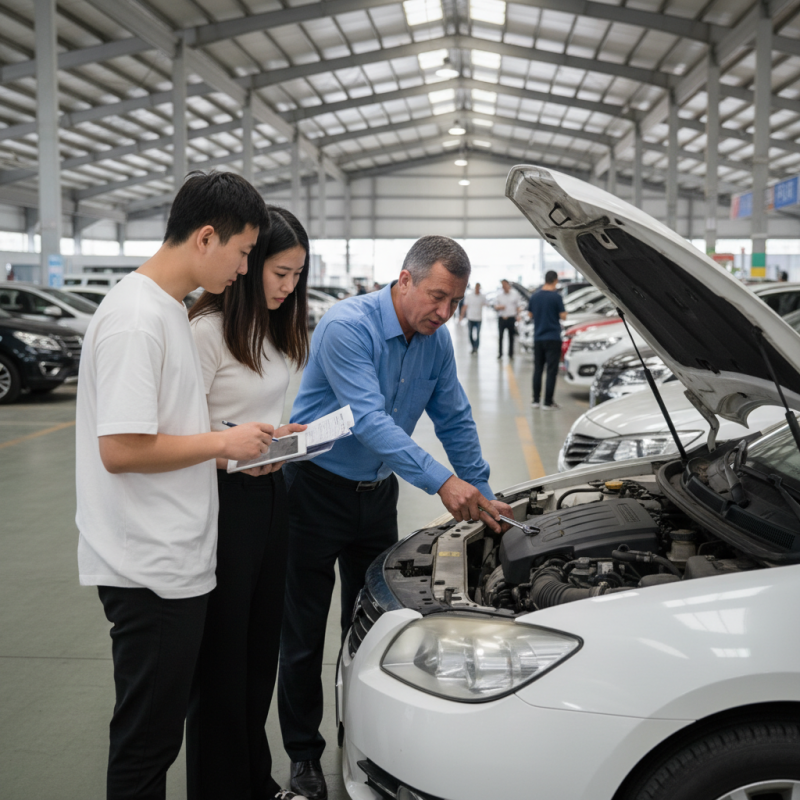
What to Check Before Buying a Used Car in China?

Research the Vehicle's History and Ownership Records

When considering a used car in China, checking the vehicle's history and ownership records is crucial. A solid history reduces potential risks. According to a report from the China Passenger Car Association, nearly 30% of used cars have undisclosed damages. This statistic underscores the importance of thorough research.

You can start by obtaining a detailed vehicle report. Essential details include previous accidents, service records, and the number of previous owners. A clear ownership record can indicate how well the car has been maintained. Many reputable services provide background checks for a small fee. They can reveal discrepancies that might not be immediately visible.

In some cases, sellers may hide problems. A car that appears pristine could have hidden issues lurking beneath the surface. If a vehicle has had multiple owners within a short period, it's often a red flag. Understanding the car's past can protect you from making costly mistakes. Investing time in research can save money and headaches in the long run.

Vehicle History Check Frequency in Used Car Purchases

Inspect the Exterior and Interior Condition of the Car

When considering a used car in China, inspecting its exterior and interior condition is crucial. A staggering 40% of used vehicles in China show signs of significant wear and tear. This statistic highlights the importance of a thorough examination. Inspect the paintwork for scratches or rust. Dents can indicate past accidents, which may lead to hidden mechanical issues. Pay attention to the condition of the tires as well. Uneven wear can signal alignment problems.

The interior must not be overlooked. Check for signs of excessive wear on the seats and dashboard. According to a recent report, 25% of used cars exhibit wear and tear in the upholstery. This can affect comfort and future resale value. Smells, particularly of smoke or mildew, could indicate previous damage or neglect. Also, test all controls and electronic features for functionality. Failing features may not just cause inconvenience; they could incur substantial repair costs later.

One should take note that not all inspections are created equal. Many private sellers may overlook the need for transparency. A poorly maintained car may look acceptable at first glance. However, defects may only become evident when driving. This reality underscores the need for a cautious approach and possibly consultation with a professional mechanic.

Check the Engine Performance and Mechanical Parts

When buying a used car in China, checking the engine performance and mechanical parts is crucial. Data from the China Automotive Information Net shows that around 30% of used cars have significant mechanical issues. Engine problems can lead to costly repairs, so it's essential to assess the condition before purchase.

Inspect the engine thoroughly. Look for unusual noises or vibrations when running. A functional engine should hum smoothly without interruptions. It’s also pivotal to check the engine oil. Dirty or low oil may indicate neglect. In fact, a 2022 survey revealed that 45% of used cars lacked proper oil maintenance, raising the risk of engine failure.

Evaluating the major mechanical parts is as important as the engine itself. Check the brakes and suspension. Both systems wear down over time, affecting safety and handling. According to reports, about 25% of used cars fail safety inspections due to brake system issues. Look for signs of wear, such as unusual sounds or fluid leaks. A thorough mechanical inspection helps prevent surprises down the road.

What to Check Before Buying a Used Car in China? - Check the Engine Performance and Mechanical Parts

Check Item Description Importance Level Recommended Action
Engine Noise Listen for any unusual noises from the engine while it is running. High Get a mechanic to assess any strange sounds.
Fluid Leaks Check for any fluids leaking from the vehicle, especially under the engine. High Inspect and address leaks immediately.
Oil Quality Check the oil condition; it should be clear and not gritty. Medium Change oil if it's dirty.
Tire Condition Inspect tires for wear, cracks, or bulges. Medium Replace tires if necessary.
Brake Performance Test brakes for responsiveness and noise. High Have brakes serviced if they feel spongy or make sounds.
Transmission Functionality Check for smooth shifting and any slipping in gears. High Consult a specialist if issues arise.

Verify the Car's Registration and Legal Status

When buying a used car in China, verifying the car's registration and legal status is critical. Begin by asking for the vehicle registration document. This document proves ownership and provides vital details about the car. Ensure the names match. A mismatch can indicate potential problems.

Next, check for outstanding loans or fines associated with the car. If the previous owner has not cleared these debts, they may become your responsibility. You can inquire at the local vehicle management office for this information. Additionally, confirm the car has not been reported stolen. Even seemingly minor details can lead to big issues down the road.

Be aware that some sellers may not be transparent about the car's history. Consider getting a vehicle history report to access records of previous ownership. This can uncover accidents or significant repairs. Don't hesitate to question any vague answers you receive from sellers. An honest seller will appreciate your thoroughness and readily provide the necessary information.

Understand the Cost of Maintenance and Insurance Options

When considering a used car in China, understanding maintenance costs is crucial. According to a recent industry report, routine maintenance can average around 2,000 to 5,000 RMB annually. Factors like the type of car and its age greatly influence these costs. Older vehicles may require more frequent repairs, which can escalate expenses. It's wise to check service history to gauge potential future costs.

Insurance options deserve attention as well. In China, comprehensive insurance for used cars typically ranges from 3,000 to 6,000 RMB per year. Basic third-party liability insurance is cheaper but offers limited coverage. Many owners overlook the importance of insuring against theft or damage. This can lead to significant out-of-pocket expenses in the event of an incident. Understanding coverage types is essential for informed decision-making.

It's advisable to seek professional advice when reviewing maintenance records. Misleading information can cloud judgment. Not all mechanics provide clear or complete service histories, leading to potential risks. Therefore, invest time in understanding the vehicle's background. This step can save money and reduce unexpected issues post-purchase.

FAQS

: Why is inspecting the exterior condition of a used car important?

: Around 40% of used cars show wear and tear. Scratches or rust may hide serious issues.

What should I check on the car's tires?

Inspect for uneven wear. This could indicate alignment problems needing attention.

How can I assess the interior condition of a car?

Look for wear on seats and dashboard. Smells of smoke or mildew might hint at previous damage.

What engine performance issues should I watch for?

Listen for unusual noises or vibrations. A smooth-running engine is essential for reliability.

Why is checking the engine oil important?

Dirty or low oil may show neglect. Many used cars need better oil maintenance.

What mechanical parts should I evaluate aside from the engine?

Inspect the brakes and suspension. About 25% of used cars fail due to brake problems.

How can I verify a used car's legal status?

Request the vehicle registration document. Confirm ownership details match to avoid issues.

What happens if there are outstanding loans on the car?

If unpaid, these debts could become your responsibility post-purchase.

Should I trust all sellers regarding the car's history?

Not all sellers are transparent. Consider obtaining a vehicle history report for essential details.

How should I approach suspicious sellers?

Ask clear questions. Honest sellers will appreciate your diligence and provide necessary information.

Conclusion

When considering a used car in China, prospective buyers often wonder, "What should I check before purchasing a used car?" It is essential to conduct thorough research on the vehicle's history, including ownership records and any past incidents that may affect its value. Inspecting both the exterior and interior condition of the car ensures that there are no hidden damages, while checking engine performance and mechanical parts helps to assess the overall reliability and safety of the vehicle.

Additionally, verifying the car's registration and legal status is crucial to avoid any potential complications after the purchase. It's also wise to understand the costs associated with maintenance and available insurance options, as these factors can significantly impact the long-term ownership experience. By following these steps, buyers can make more informed decisions and secure a reliable used vehicle.

Sophia

Sophia

Sophia is a dedicated marketing professional with an exceptional depth of knowledge about her company's products and services. With a keen understanding of market trends and customer needs, she crafts insightful blog posts that not only inform but also engage readers, enriching the company’s online......