Buying one of China’s best used cars involves more than comparing purchase prices and fuel consumption. Insurance can change the real cost of ownership. A clean sedan may look affordable at a dealership, yet its yearly premium could rise after a detailed risk assessment. What affects used car insurance cost depends on several connected factors, including the vehicle’s age, model, engine size, repair history, safety equipment, and market value. Small details matter.
For example, a five-year-old family sedan with widely available parts may cost less to insure than a rare imported model. An insurer may also examine the driver’s age, experience, claim history, parking location, and expected annual mileage. Urban traffic, frequent commuting, and outdoor parking can influence perceived risk. Coverage choices matter too. Basic protection and broader coverage do not offer the same price or protection. Always compare written quotations.
In practice, buyers should request insurance estimates before paying a deposit. Check the vehicle identification number, maintenance records, previous claims, and ownership documents carefully. These records help insurers evaluate the car more accurately. They also help buyers avoid unpleasant surprises after purchase. However, no online guide can predict every premium. Insurance pricing varies between providers and regions. I have found that advertised “low-cost” figures often exclude optional coverage or service fees. That deserves closer attention. A careful comparison should consider deductibles, exclusions, renewal changes, and claim support, not just the first annual price. This guide explains the main cost drivers and offers practical questions for choosing a dependable used car in China.
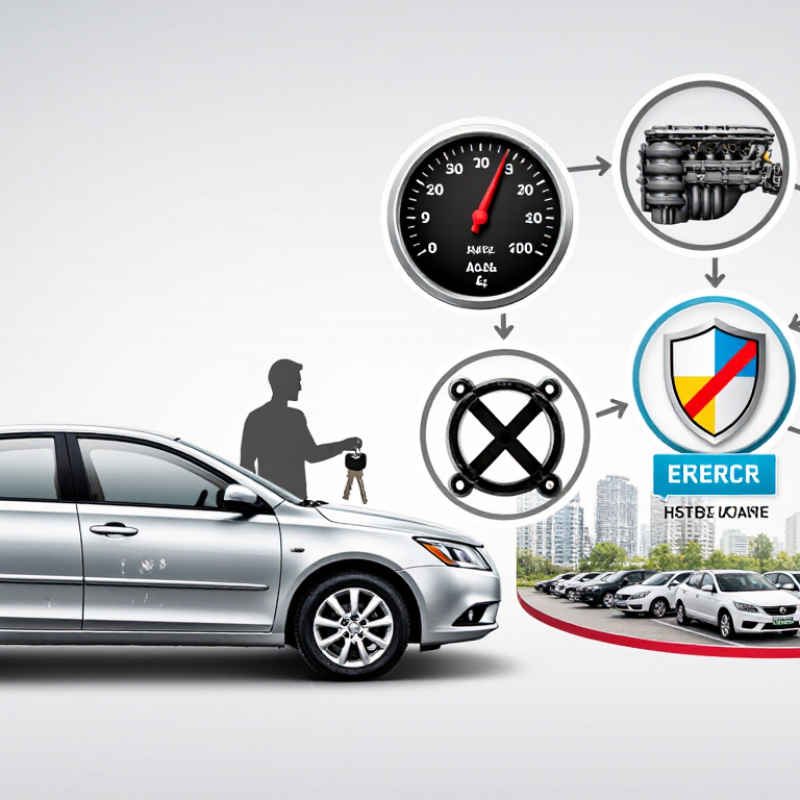
In China, compact sedans remain a practical choice for daily commuting. They fit narrow urban parking spaces and usually consume less fuel. Their simple layout can also make routine repairs more predictable. However, insurance cost depends on more than body style. Vehicle age, engine size, market value, driving history, and registration location all matter.
Small SUVs attract families who need higher seating and extra luggage space. Their wider body may increase repair costs after a side collision. Used MPVs are often selected by larger families or owners who travel with relatives. They offer flexible seating, but older sliding doors and electrical systems need careful inspection. New-energy used cars are also becoming more visible in large cities. Battery condition, remaining warranty, charging habits, and replacement costs deserve close attention. A low purchase price can hide an expensive battery risk.
Before choosing, compare insurance quotations for the exact vehicle and driver profile. Check service records, accident repairs, tire wear, and dashboard warning lights in daylight. A short test drive can reveal steering vibration or unusual transmission behavior. Many buyers focus too heavily on appearance. That is a costly mistake. I would also question clean-looking cars with incomplete records, because missing information can weaken a fair risk assessment. Insurance prices may change after ownership transfer or policy renewal, so confirm the current terms with a licensed insurer and keep written records of every quotation.
Compulsory traffic insurance base premiums are determined mainly by passenger-car seating capacity. The most commonly considered used-car types include sedans, SUVs, MPVs and small commercial vans; commercial insurance costs vary with vehicle value, age, claims history, driver profile and coverage.
Data shown: standard first-year compulsory traffic insurance base premiums in mainland China: RMB 950 for passenger cars with up to 6 seats and RMB 1,100 for passenger cars with more than 6 seats. Actual renewal premiums may be adjusted according to claims and traffic-record factors. Commercial insurance is not included.
When comparing used cars in China, vehicle value is one of the clearest insurance cost drivers. A newer used sedan may still carry a high market value after its first depreciation period. If it is damaged, the insurer may face a larger repair or replacement bill. That usually raises comprehensive coverage costs. However, value alone does not decide the premium. Engine size, repair prices, claim history, location, and selected deductibles also matter.
Age changes this calculation in less obvious ways. An older car often costs less to insure for damage because its market value is lower. Yet aging parts can be difficult to source, and labor may take longer. Some older vehicles also lack modern safety equipment. These factors can increase risk assessments or make certain coverage less attractive. Liability protection may not fall much, because it relates to injuries and property damage caused to others. That cost is different.
During practical quote comparisons, owners sometimes focus only on the purchase price. That is a mistake. Compare the car’s current valuation with its annual premium and deductible. A 60,000-yuan vehicle may not justify expensive optional cover if the deductible is high. However, minimal protection can backfire after a serious collision. Ask how depreciation is calculated. Check whether mileage, modifications, and parking location affect the quote. Estimates can change after one missing detail is corrected. A written quote is more reliable than a guess based on age.
China Best Used Cars: What Affects Used Car Insurance Cost?
How Driver Details Affect Used Car Insurance Pricing
When insuring a used car, driver information often matters as much as the vehicle’s age. Insurers commonly review age, driving history, annual mileage, location, and vehicle use. The NAIC’s Auto Insurance Database Report identifies these factors as important pricing variables. A driver with recent speeding tickets or at-fault claims may face higher rates, even with an inexpensive used car. A clean record can matter more than an older odometer.
Age creates another clear pricing difference. According to the Insurance Institute for Highway Safety, drivers aged 16 to 19 have nearly three times the fatal-crash risk of drivers aged 20 and older, based on miles driven. That risk helps explain higher premiums for younger motorists. It is not a judgment about every young driver. Experience varies widely. An older driver with repeated claims may still pay more.
Daily habits also change the quote. A 25-mile commute, frequent night driving, or business-related use can increase exposure. Lower annual mileage may reduce risk, but insurers usually require accurate estimates. I once assumed a low-mileage car guaranteed cheap coverage. That was too simple. Credit-based insurance scores may also affect pricing where local rules permit them, as noted by the Insurance Information Institute. Drivers should compare quotes using identical coverage limits, deductibles, mileage, and driver details. Small omissions can produce an attractive quote that does not reflect real protection.
China Best Used Cars: What Affects Used Car Insurance Cost?
How Coverage Options and Deductibles Change Premiums
A used car’s insurance price depends on more than its purchase cost. Liability coverage protects others after an accident. Collision coverage pays for damage from a crash. Comprehensive coverage handles theft, flooding, hail, and falling objects. Each option adds premium, but removing protection can create a painful financial gap.
The NAIC’s 2022 Auto Insurance Database Report recorded average U.S. auto insurance expenditures of about $1,438 per vehicle. However, that figure combines different drivers, locations, cars, and coverage limits. A ten-year-old sedan may not justify broad physical-damage coverage. Yet a recently purchased used SUV could still need it, especially with vehicle financing. The calculation is practical, not automatic. I think many buyers focus too heavily on the car’s age.
A deductible changes the balance. Choosing $1,000 instead of $500 may reduce the premium, but you must pay more after a covered claim. The Insurance Information Institute advises comparing potential savings with your emergency budget. That advice sounds simple. It is often ignored.
Tips: Request quotes with identical limits and deductibles. Compare $250, $500, and $1,000 deductibles. Check the car’s actual market value before keeping collision coverage. Ask whether glass, rental, and roadside benefits are included. Record every quote detail; small wording differences can distort comparisons.
Buying a used car in China means comparing more than the vehicle price. Insurance cost depends on model value, engine size, age, claim history, driving record, location, and coverage choices. Compulsory traffic liability insurance is required, while commercial cover can protect against collision, theft, and third-party losses. Exact rules and prices may vary by region and insurer. Check the vehicle registration, transfer date, and previous claims before requesting quotations. A clean record helps, but it does not guarantee a low premium.
Ask at least three licensed insurers for written quotes using identical coverage limits. Compare deductibles, exclusions, insured value, roadside assistance, and claim procedures, not only the final price. An older car may have a lower market value, yet its parts and repair labor can remain expensive. This is where many buyers misjudge risk. If the car has safety modifications or an unclear service history, disclose them honestly. Missing details can create disputes later.
To reduce costs, choose a realistic insured value, raise the deductible only if you can pay it, and remove unnecessary add-ons. Parking in a secure compound, using approved security equipment, and keeping maintenance records may support a better assessment. Ask whether renewal discounts depend on claim-free driving or bundled policies. I would not select the cheapest quote automatically. Cheap cover can leave a wide gap after an accident. Review the policy every year, because the car’s value and your driving habits change.
Insurers may review age, driving history, annual mileage, location, and vehicle use. Small details can change the quote.
Often, yes. A clean record may help, but it does not guarantee the lowest price.
Younger drivers generally have less experience and higher crash risk. This reflects group statistics, not every individual driver.
It can. A 25-mile commute creates more road exposure than occasional weekend driving.
Yes. Frequent night driving and business-related use may affect pricing. Missing details can cause later disputes.
Request at least three written quotes. Use identical limits, deductibles, mileage, and driver information.
Check exclusions, insured value, roadside assistance, repair terms, and claim procedures. The cheapest policy may leave a wide gap.
Yes. Its market value may be low, while parts and repair labor remain costly.
Check registration, transfer date, previous claims, service history, and safety modifications. Be honest about unclear records.
Choose a realistic insured value, remove unnecessary add-ons, and consider a higher deductible only if affordable.
It may support a better risk assessment. Keep maintenance records and use approved security equipment.
Yes. The car’s value, mileage, and driving habits change. I once assumed low mileage guaranteed cheap cover. It did not.
Buying a used car in China requires more than comparing purchase prices; insurance costs should also be part of the decision. Common choices include compact sedans, family SUVs, small city cars, and practical electric or hybrid vehicles. What affects used car insurance cost includes the vehicle’s current market value, age, repair expenses, safety features, engine or battery characteristics, and the availability of replacement parts. Older cars may have lower insured values, but they can sometimes cost more to cover if they are harder to repair or have a higher risk of mechanical problems.
Driver-related details also matter, such as age, driving experience, location, annual mileage, and previous claims. Coverage options and deductibles can significantly change the final premium: broader protection usually costs more, while a higher deductible may reduce the upfront price. To control expenses, compare several policy quotations, select coverage suited to the vehicle’s real value, maintain a clean driving record, and review deductibles carefully before purchasing.

Pixy Car