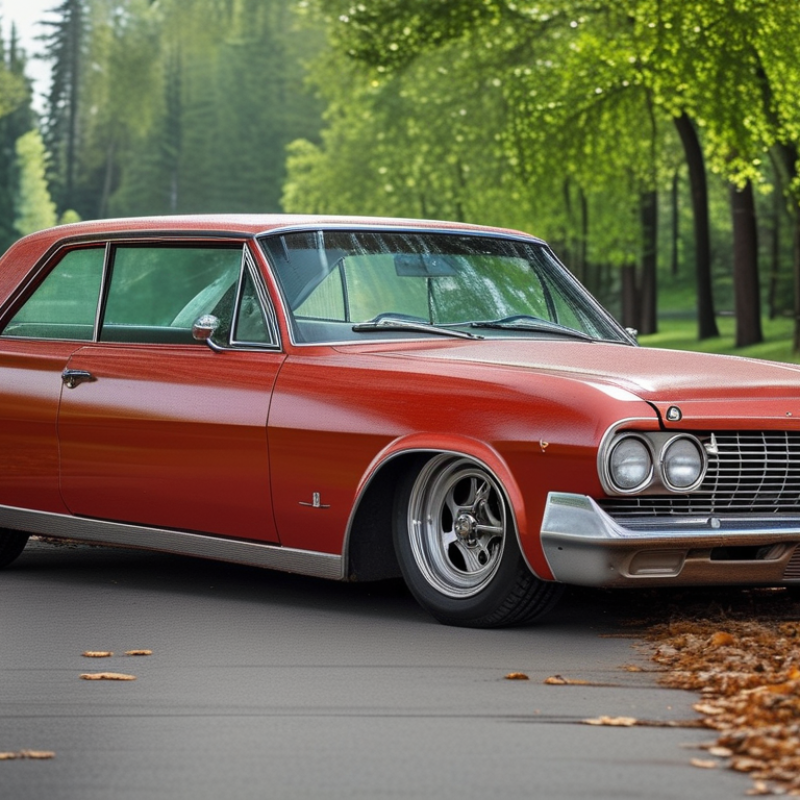
Top 10 Factors That Affect the Value of a Used Car?

Time:2026-05-05 Author:Ethan
0%

The used car market thrives on various dynamic factors that dictate pricing. Understanding "what affects the value of a used car" is essential for buyers and sellers alike. According to the National Automobile Dealers Association (NADA), depreciation plays a significant role, with vehicles losing around 20% of their value in the first year alone. This fact underscores the importance of making informed choices when purchasing a used vehicle.

Beyond depreciation, another crucial factor is mileage. A car with higher mileage may signal extensive use, thus decreasing its market value. The Automotive News data reveals that every 10,000 miles adds an average of $1,200 to the depreciation cost. Additionally, the vehicle’s condition and history is vital. A clean service record can attract buyers, while major accidents often deter them.

In this fluctuating market, economic trends also influence pricing. For instance, rising fuel prices can increase demand for fuel-efficient models. Yet, personal preferences and market competition add layers of complexity. Reflecting on these elements helps potential buyers navigate purchases wisely. By recognizing these factors, individuals can make better decisions that align with their needs and budget.

Top 10 Factors That Affect the Value of a Used Car?

Factors Influencing Mileage and Its Impact on Used Car Value

Mileage significantly influences the value of a used car. A vehicle with higher mileage often incurs more wear and tear. For potential buyers, that means higher repair costs in the near future. It's a crucial consideration in assessing overall value. If a car has traveled over 100,000 miles, it's often viewed as less desirable. Buyers typically perceive these cars as less reliable.

Several factors impact mileage as well. Driving conditions play a major role. Vehicles used for city driving tend to have more wear compared to those used on highways. Regular maintenance also affects a car's longevity and performance. A well-maintained vehicle, regardless of miles driven, may attract buyers willing to pay a premium. However, the story of mileage can be complex. Some cars, despite lower mileage, could have hidden issues that lead to significant repairs later.

Additionally, service history is vital. A car with a robust maintenance record can mitigate concerns about high mileage. Transparency about repairs and servicing can help build trust. But sometimes, sellers may not have complete records, which raises red flags. Shoppers should be cautious and do their due diligence. Ultimately, mileage is a strong indicator of value, yet it should be assessed within a broader context.

Importance of Vehicle Condition in Assessing Used Car Worth

When evaluating the worth of a used car, the vehicle's condition stands out as a critical factor. Buyers often consider factors like mileage, maintenance history, and cosmetic condition. A well-maintained vehicle usually fetches a higher price. However, some sellers may overlook small issues, thinking they won't affect the sale much. A minor scratch might seem insignificant but can lead to bigger negotiation setbacks.

Detailed inspection reports can help buyers gauge a car's true worth. A certified mechanic can identify problems that are not immediately visible. Buyers sometimes skip this step, assuming they can recognize issues themselves. Relying on intuition alone may lead to costly mistakes. So, it’s advisable to prioritize a thorough vehicle check.

In many instances, the documentation also plays a vital role. A full service history provides transparency and builds trust. Yet, some vehicles lack proper documentation. This can raise red flags and decrease buyer confidence. A transparent condition of the vehicle fosters a better experience. A balance of honesty and repair efforts can help both parties feel satisfied.

Top 10 Factors That Affect the Value of a Used Car

The Role of Brand Reputation in Used Car Valuation

When it comes to used car valuation, brand reputation plays a vital role. Consumers often associate certain brands with reliability and quality. This perception can significantly influence the resale value of a vehicle. A well-regarded brand tends to hold its value better over time. Buyers are often willing to pay a premium for vehicles from reputable manufacturers.

Tips to consider: Look for cars from brands known for long-lasting performance. Research online reviews and consumer reports. A car’s history can affect its reputation, so knowing service records helps.

Another factor to reflect on is the impact of recalls on brand reputation. A brand may face damage to its image due to frequent issues or recalls. This can lead to reduced demand and lower resale values. Potential buyers often hesitate if they perceive a brand as unreliable.

Tips to enhance your purchase experience: Always check for the latest recalls on your desired model. Reliability ratings can provide insights into the brand's reputation over time. Remember, reputation is built on real experiences. Choose wisely to secure your investment in the used car market.

Effects of Market Demand and Economic Trends on Used Car Prices

The used car market is heavily influenced by market demand and economic trends. When the economy flourishes, more buyers are willing to spend on used vehicles. They feel secure in their financial situation. As demand rises, prices usually follow suit. If many people look for a particular model, its value can increase significantly.

Economic downturns have the opposite effect. People become more cautious with their spending. They may opt for cheaper, reliable options. This shift can lead to a decrease in prices, especially for less popular models. Seasonal trends also play a role. For instance, spring often sees a spike in sales as individuals look to purchase vehicles after winter. Yet, late summer may bring a lull.

Understanding these dynamics is crucial for both buyers and sellers. Adjusting expectations based on current market conditions is important. Buyers should research extensively before making a decision. Sellers need to remain flexible with pricing. The reality is that not all areas experience these trends equally, and what applies to one market may not apply to another. Always stay informed to navigate these fluctuations effectively.

Impact of Vehicle History Reports and Accidents on Value Determination

When determining the value of a used car, vehicle history reports play a crucial role. These reports provide detailed insights into the car's past, including accidents, title issues, and service records. A car that has been in an accident typically sees a drop in value. Buyers often hesitate, viewing it as a risk, even if repairs were done expertly. In contrast, a clean vehicle history enhances appeal, allowing sellers to price higher.

Tips: Always obtain a vehicle history report before buying. This small step can save you from future headaches. Don't overlook minor accidents. Even small fender benders can impact resale value significantly. Check for patterns in service records. A well-maintained car usually attracts more buyers.

Accidents leave lasting marks—both physical and financial. If a car's history reveals multiple incidents, expect its value to decrease further. Emotional factors also play a role; buyers may feel apprehensive. Conversely, vehicles with no reported accidents often command respect and trust. This trust translates into better offers when selling.

Tips: Transparency is key when selling. Disclose all known accidents, even minor ones. This honesty fosters trust and can lead to smoother transactions. Focus on presenting the car’s best features, maintaining it well to minimize negative impressions. A good presentation can sometimes overshadow less-than-perfect history.

FAQS

: How does brand reputation affect used car valuation?

: Brand reputation influences resale value significantly. Reliable brands often hold their value better over time.

Why are buyers willing to pay more for certain vehicles?

Buyers associate reputable brands with quality and reliability. This perception increases their willingness to pay a premium.

What role do recalls play in brand reputation?

Frequent issues or recalls can damage a brand's image. This often leads to lower demand and resale values.

How can I enhance my purchase experience?

Always check for recalls on your desired model. Researching reliability ratings will help you make an informed choice.

How do market demand and economic trends affect used car prices?

When the economy is strong, demand rises and prices increase. Conversely, downturns lead to caution, affecting prices negatively.

What impact do seasonal trends have on used car sales?

Sales typically spike in spring after winter. Late summer may see a drop in demand, affecting overall pricing.

What should sellers consider in a fluctuating market?

Sellers need to stay flexible with pricing. Trends can vary widely by region, so awareness is key.

How important is research before buying a used car?

Extensive research is crucial. Understanding market conditions can help buyers make better decisions.

Can buyers expect the same trends in all areas?

Not all markets experience trends equally. Local conditions can greatly influence prices and demand.

What should I keep in mind about car reliability?

Reliability is linked to real experiences. Choosing wisely based on history is essential for investment security.

Conclusion

When considering what affects the value of a used car, several key factors come into play. First, mileage significantly impacts a vehicle's worth; lower mileage often indicates less wear and tear, making it more desirable. Additionally, the overall condition of the car, including both mechanical functionality and aesthetic appearance, plays a crucial role in valuation. A well-maintained vehicle typically commands a higher price.

Furthermore, brand reputation can influence buyer perceptions and market value. Cars from manufacturers known for reliability and quality are often valued higher. Market demand and prevailing economic trends also affect used car prices, as shifts in consumer preference or economic conditions can lead to fluctuations in value. Lastly, a vehicle's history, including any accidents or significant repairs, is critical for prospective buyers and can negatively impact resale value. All these factors collectively determine the market standing and financial worth of a used vehicle.

Ethan

Ethan

Ethan is a seasoned marketing professional with a deep expertise in our company's innovative product line. With a passion for sharing knowledge and insights, he takes the lead in regularly updating our corporate blog, where he explores industry trends, product features, and effective marketing......