China Top Used Cars How to Choose One for Your Budget?

Time:2026-10-28 Author:Isabella
0%

Choosing a used car in China requires more than comparing asking prices. It requires a clear budget, careful inspection, and realistic expectations. The best choice should fit your monthly income, parking situation, driving needs, and repair tolerance. A low purchase price can hide expensive tyres, weak batteries, overdue servicing, or accident repairs.

So, How to choose the right used car for my budget? Start with the complete ownership cost. Reserve money for registration, insurance, fuel, maintenance, and unexpected repairs. A practical buyer might set aside 10% to 15% of the purchase budget for immediate work. Look closely at service records, tyre wear, dashboard warnings, paint differences, and cold-start engine noise. Check the car in daylight. Drive it on ordinary roads, not only around a dealership. Small details matter.

Mike Quincy, an automotive expert and former Consumer Reports auto editor, offers a useful principle: “The best used car is one that has been well maintained.” That idea sounds simple. It is not always easy to prove. A clean interior does not guarantee a healthy engine. A popular brand does not guarantee a good example. Buyers should compare independent inspection results with the seller’s claims. They should also question unusually low prices. Sometimes, the bargain is real. Sometimes, it is only attractive at first glance.

This guide examines China’s top used cars by price range, reliability, running costs, and practical value. It also considers where buyers may misjudge their needs. Your first choice may not be your best choice. Expect to reconsider.
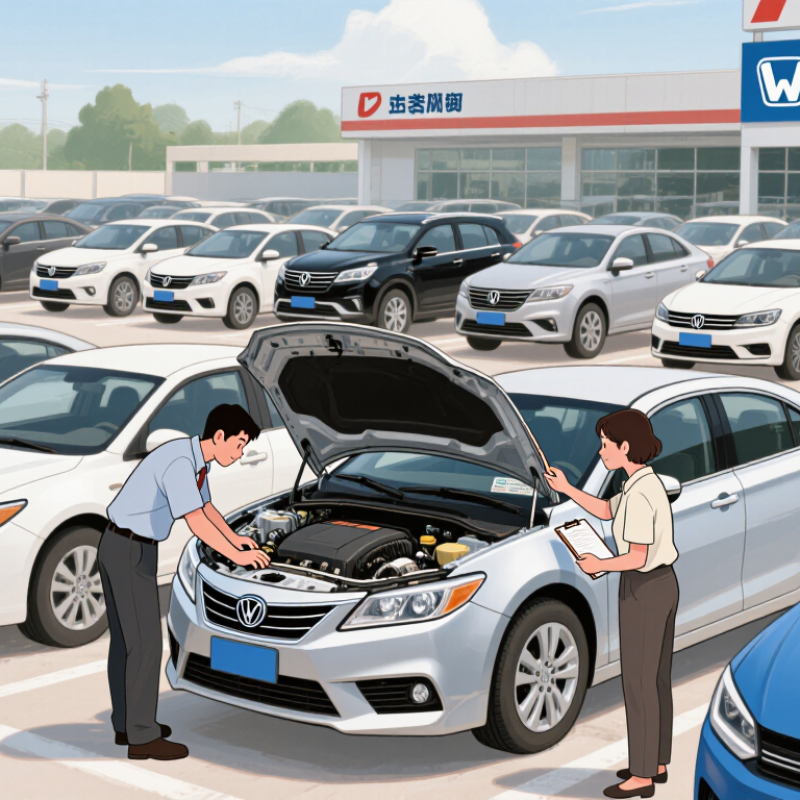
China Top Used Cars How to Choose One for Your Budget?

Define Your Budget and Used-Car Buying Priorities

A sensible used-car budget begins with ownership costs, not the online sticker price. The China Automobile Dealers Association reported 18.41 million used-vehicle transactions in 2023, showing strong market choice. More choice also creates more room for rushed decisions.

If your total budget is 80,000 yuan, consider limiting the purchase price to about 65,000 yuan. Keep the balance for insurance, registration, tires, fluids, and unexpected repairs. A worn suspension can quickly cost several thousand yuan. Check service records, accident history, mileage consistency, and cold-start behavior. Look underneath the car for oil leaks, uneven corrosion, and repaired frame sections. A quiet engine is not enough. Cabin smells can reveal water damage.

Define your priorities before comparing vehicles. Do you need low fuel use, rear-seat space, highway comfort, or easy maintenance? Choose two or three priorities only. Too many requirements can push you toward an overpriced compromise. CADA market reports also show that vehicle age, condition, and regional demand affect resale pricing. Compare at least five similar listings within the same city. One unusually cheap car deserves extra questions.

I would still leave room for mistakes, because inspection results can be incomplete. Paying for an independent inspection is often wiser than trusting polished photographs. Take a flashlight. Take your time.

Compare Popular Used-Car Types and Ownership Costs in China

China’s used-car market offers different cost patterns for different drivers. A compact sedan usually has lower purchase, fuel, tyre, and repair costs. It suits city commuting and narrow parking spaces. A used SUV gives more ground clearance and cargo room, but tyres, insurance, and fuel can cost more. An MPV may fit larger families, yet its size can make parking expensive and difficult.

Used electric cars can reduce daily energy costs, especially with home charging. However, battery health matters more than a low odometer reading. Ask for battery test records, charging history, and remaining warranty terms. A petrol car may be easier to repair outside major cities. Still, older engines can bring sudden maintenance bills. Ownership costs also include transfer fees, insurance, parking, periodic inspections, and registration-related charges. These expenses vary by city and vehicle age, so local confirmation is essential.

Tips: Set a total budget, not only a buying price. Keep money for tyres, fluids, and unexpected repairs. Check the service history against the vehicle’s condition. Uneven panel gaps, worn pedals, or a weak air conditioner deserve questions. I would also arrange an independent inspection before payment. This step is easy to skip, and that is a mistake I would not repeat. Compare three similar cars in person; online photos often hide interior wear and previous repairs.

China Used Cars: Purchase Price and Annual Ownership Cost

Representative planning estimates for common used-car types in China, in RMB. Actual prices vary by city, age, mileage, condition and vehicle history.

Annual ownership cost includes typical fuel or electricity, insurance, routine maintenance and taxes, but excludes depreciation, financing, parking and major accident repairs. Lower-cost compact cars and small electric vehicles generally require less cash to operate, while SUVs and MPVs usually provide more space at a higher annual cost.

Check Vehicle History, Mileage, Condition, and Legal Records

China Top Used Cars How to Choose One for Your Budget?

Check Vehicle History, Mileage, Condition, and Legal Records

A low price can hide expensive problems. Set your total budget before viewing any car. Include insurance, registration fees, repairs, and routine maintenance. I once focused too much on the purchase price and ignored four worn tires. That mistake changed my buying method.

Request the vehicle history through reliable records or a qualified inspection service. Check ownership changes, accident reports, service entries, and previous usage. Compare the recorded mileage with the steering wheel, pedals, seats, and tire wear. A clean dashboard is not proof of low mileage. Numbers can be incomplete, too. Ask clear questions when records do not match.

Inspect the body in daylight. Uneven paint, door gaps, rust, or water stains may indicate earlier damage. Start the engine from cold and listen for rattles, smoke, or unstable idling. Test the brakes, lights, air conditioning, steering, and safety systems. A short drive matters more than attractive photos.

Legal records also deserve careful attention. Confirm the registration, ownership, transfer eligibility, and inspection status. Ask for documents that support the vehicle’s identity and history. A licensed professional can check details that buyers often miss. Do not rely only on the seller’s promise. My own inspections have missed small problems before, so I now leave money for unexpected repairs. Perfect certainty is unrealistic, but careful evidence lowers the risk.

Evaluate Prices, Financing Options, and Seller Reliability

Buying a used car in China starts with a realistic budget, not an attractive monthly payment. Compare similar vehicles by age, mileage, condition, and maintenance history. Check at least five listings in the same city. Prices can vary sharply between private sellers and licensed dealers. Ask for the full purchase cost, including transfer fees, insurance, inspection charges, and taxes. The cheapest listing may need expensive repairs.

Financing deserves close attention. Compare the annual interest rate, down payment, processing fees, and early repayment rules. Request a written repayment schedule. A low monthly figure can hide a long loan term and higher total interest. Calculate fuel, parking, maintenance, and emergency repair costs too. Leave room in your budget. A useful inspection includes cold-start performance, brake response, tire wear, paint differences, and warning lights. An independent mechanic is worth the fee. I once underestimated repair costs after focusing too heavily on mileage. That was a costly lesson.

Seller reliability matters as much as the vehicle itself. Check the seller’s identity, registration documents, service records, and ownership history. Match the vehicle identification number across the car and paperwork. Be cautious when the seller avoids inspections or pressures you to pay quickly. A dependable seller explains defects clearly and provides a detailed written contract. Still, trust should not replace evidence. Records can be incomplete, and even careful buyers miss problems. Photograph the car before signing, confirm every fee, and keep copies of all payment and transfer documents.

Complete Inspection, Negotiation, Transfer, and After-Sale Protection

China Top Used Cars: How to Choose One for Your Budget?

Set a firm budget before viewing any vehicle. Keep money aside for insurance, registration, repairs, and unexpected fees. A clean appearance can hide worn brakes or previous structural damage. Arrange an independent inspection before negotiating. Check the chassis, paint thickness, engine, transmission, tires, lights, and warning signals. Test the car on smooth roads and rough surfaces. Listen for knocking, vibration, or delayed gear changes. Request maintenance records, ownership documents, mileage evidence, and accident disclosures. Missing paperwork is not always proof of fraud, but it deserves careful questions.

Tips: Photograph every defect during inspection. Compare the report with the seller’s statements. Use repair estimates when discussing price, not emotion. If the seller refuses an independent check, walk away. Sometimes buyers focus too heavily on a low price. I have seen small faults become expensive repairs. That lesson is easy to underestimate.

Negotiate only after reviewing the inspection results and transfer conditions. Write the agreed price, deposit, included equipment, delivery date, and repair responsibilities into the contract. Confirm that the seller can legally transfer ownership. Check identification, registration, tax status, and any outstanding finance with the relevant authority. Complete payment through a traceable method and keep every receipt. Before collection, verify the vehicle identification number again. After the transfer, obtain written after-sale support, warranty limits, service contacts, and complaint procedures. Promises made verbally may disappear. A careful record protects both sides.

China Top Used Cars: How to Choose One for Your Budget? — Complete Inspection, Negotiation, Transfer, and After-Sale Protection
Selection Stage Key Data Dimension Practical Benchmark Recommended Check or Action Risk Signal
1. Set the Budget Vehicle-price share Allocate approximately 70%–80% of the total available budget to the vehicle purchase price. Keep the remaining funds for registration, insurance, maintenance, tires, repairs, and unexpected costs. Using the entire budget for the purchase can leave no reserve for immediate repairs.
1. Set the Budget Initial reserve Reserve at least 10%–15% of the vehicle price for first-year maintenance and wear items. Budget for fluids, filters, battery, tires, brake components, suspension parts, and air-conditioning service according to inspection results. No maintenance reserve is especially risky for older or high-mileage vehicles.
1. Set the Budget Vehicle age Vehicles around 3–6 years old often provide a balance between depreciation and remaining service life, but condition is more important than age alone. Compare age, mileage, service records, accident history, ownership history, and current mechanical condition together. A low odometer reading cannot compensate for poor maintenance or structural damage.
1. Set the Budget Mileage plausibility Private passenger vehicles commonly accumulate roughly 10,000–20,000 km per year, although usage varies by location and owner. Compare the odometer with service invoices, inspection records, tire wear, steering-wheel wear, pedal wear, and seat condition. Inconsistent mileage records, missing service history, or unusually worn controls require further verification.
2. Document Screening Ownership documents The seller's identity, vehicle registration certificate, driving license, and vehicle identification number should be consistent. Check the original documents and confirm that the seller is the registered owner or has legally valid authorization to sell. Name mismatches, missing originals, or unclear authorization should stop the transaction until resolved.
2. Document Screening Legal status The vehicle should have no unresolved theft report, seizure, mortgage restriction, or other transfer prohibition. Verify the vehicle status through the applicable local traffic-management or registration authority before paying a deposit. A vehicle that cannot be legally transferred should not be purchased, regardless of price.
2. Document Screening Inspection validity Confirm the next required inspection date and whether the vehicle is eligible for continued road use in the intended city. Check local rules for emissions, vehicle age, transfer restrictions, and license-plate eligibility before signing. Local transfer and emissions rules may differ between cities and can change over time.
3. Exterior Inspection Paint consistency Factory paint is generally more uniform in color, texture, and panel gaps than repaired or repainted areas. Inspect the vehicle in daylight; compare panel color, overspray, fastener marks, welding traces, and uneven gaps. Different paint thickness or panel alignment may indicate collision repair or replacement.
3. Exterior Inspection Structural condition Front and rear longitudinal members, pillars, roof rails, floor, and suspension mounting points should be free from major deformation or uncontrolled repairs. Use an independent inspection professional and request clear photographs of structural areas from multiple angles. Major structural damage can affect safety, resale value, and insurance acceptance.
3. Exterior Inspection Water or fire damage The cabin, wiring, connectors, carpets, and control modules should show no signs of flooding, corrosion, soot, or abnormal odor. Lift carpets where appropriate, inspect seat rails and wiring connectors, and scan electronic control modules for fault history. Rust on hidden electrical connectors, mold odor, or unexplained electrical faults indicates elevated risk.
4. Mechanical Inspection Engine and transmission Cold starting should be prompt, idle should be stable, and there should be no abnormal smoke, knocking, severe vibration, or fluid leakage. Insist on a cold start, inspect fluid levels and condition, complete a road test, and obtain an electronic diagnostic scan. Seller refusal to allow a cold start, scan, or independent test is a significant warning sign.
4. Mechanical Inspection Braking system The vehicle should stop in a straight line without pulsation, abnormal noise, or excessive pedal travel. Check brake-pad thickness, disc condition, brake-fluid age, warning lights, and performance during a controlled road test. Vibration, pulling, grinding, or a soft pedal requires repair-cost estimation before purchase.
4. Mechanical Inspection Steering and suspension The vehicle should track straight and should not show knocking, excessive bouncing, uneven tire wear, or steering looseness. Inspect dampers, bushings, ball joints, wheel bearings, alignment, and tire wear on a lift. Uneven tire wear may indicate alignment problems, worn suspension parts, or previous impact damage.
4. Mechanical Inspection Tire age and condition Tread depth should be safely usable, with no bulges, cracks, exposed cords, or major differences between tires. Read the tire production date, inspect all four tires, and include replacement cost if the tires are aged or mismatched. Visible sidewall damage or severely aged tires should be treated as an immediate safety expense.
5. Independent Inspection Inspection scope A complete inspection should cover documents, body, structure, engine, transmission, electrical systems, chassis, interior, and road performance. Use a qualified independent inspector who does not receive payment based on whether the deal is completed. A seller-selected inspection with no written report provides limited protection.
5. Independent Inspection Repair-cost estimate Separate defects into safety-critical, reliability-related, cosmetic, and optional items. Obtain itemized quotations for urgent repairs and deduct realistic repair costs from the negotiation price. Do not deduct only parts costs; include labor, fluids, calibration, and downtime where applicable.
6. Price Negotiation Comparable pricing Compare several similar vehicles by age, mileage, condition, maintenance history, ownership count, and location. Use multiple current listings and completed transaction references where available; avoid relying on one advertised price. Advertised prices may not equal final transaction prices and may exclude fees or required repairs.
6. Price Negotiation Negotiation basis A reasonable offer should be supported by documented defects, upcoming maintenance, ownership costs, and comparable market evidence. Present a written cost list and negotiate the total transaction amount rather than focusing only on the vehicle sticker price. Large discounts without a clear reason may indicate hidden damage, document issues, or urgent disposal.
6. Price Negotiation Payment protection The deposit and final payment should be clearly documented, with refund conditions stated in writing. Do not make full payment before document verification, inspection acceptance, and legally valid transfer arrangements. Cash-only pressure, third-party accounts, or vague deposit terms increase fraud and recovery risk.
7. Contract and Transfer Written contract The contract should identify the vehicle, VIN, mileage, price, payment schedule, document status, known defects, and delivery date. Record agreed statements about accident history, flood or fire history, mileage authenticity, liens, inspection status, and warranty terms. Verbal promises that are absent from the contract are difficult to enforce.
7. Contract and Transfer Transfer procedure Complete ownership transfer through the authorized vehicle-registration process applicable to the transaction location. Confirm transfer eligibility, submit required documents, verify the new registration information, and retain official receipts. Avoid taking long-term possession while the vehicle remains registered to an unrelated person.
7. Contract and Transfer Insurance update Insurance information should be updated promptly after ownership changes, subject to the applicable insurer and local rules. Confirm mandatory traffic insurance status, commercial coverage, effective dates, claim history, and named-insured details. Driving before valid insurance and registration arrangements are confirmed can create legal and financial exposure.
7. Contract and Transfer Handover record Record mileage, fuel level, keys, documents, tools, spare tire, charging equipment where applicable, and visible damage at delivery. Take time-stamped photographs and have both parties sign a handover checklist. Unrecorded accessories or new damage can lead to disputes after payment.
8. After-Sale Protection Immediate service baseline Start with a diagnostic scan, fluid inspection, maintenance-history review, and safety check even when the vehicle appears to run normally. Replace or service items according to condition and manufacturer maintenance intervals rather than relying only on seller statements. Unknown maintenance history should be treated as incomplete, not as proof that service was completed.
8. After-Sale Protection Warranty wording Any warranty should define duration, mileage limit, covered components, exclusions, claim procedure, and repair location in writing. Keep the contract, inspection report, invoices, payment records, and communication history in one file. A promise of “full warranty” without written coverage and exclusions has limited practical value.
8. After-Sale Protection Early monitoring Monitor warning lights, fluid levels, starting behavior, temperature, braking, steering, tire pressure, and unusual noises during the first 30 days. Report defects immediately in writing and obtain professional diagnostic records before authorizing major repairs. Delayed reporting can make it harder to establish when a defect first appeared.
8. After-Sale Protection Dispute evidence Useful evidence includes the signed contract, inspection report, payment proof, registration documents, photographs, diagnostic reports, and repair invoices. Communicate through traceable channels and keep original files with dates and vehicle identification details. Unrecorded phone agreements and missing payment evidence weaken a consumer claim.
9. Final Decision Go / no-go rule Proceed only when the legal status is clear, the independent inspection is acceptable, the total cost fits the budget, and the contract protects both parties. Walk away when structural damage, forged or missing documents, unresolved liens, odometer inconsistency, or transfer restrictions cannot be satisfactorily resolved. A low purchase price is not a bargain if the vehicle cannot be safely and legally owned.
Planning note: Costs, transfer requirements, inspection rules, emissions standards, insurance procedures, and consumer-protection remedies may vary by city and transaction type in China. Confirm the current requirements with the relevant local authorities before payment.

FAQS

How should I set a realistic budget for a used vehicle?

Include the purchase price, insurance, registration, repairs, and routine maintenance. Keep extra money aside. Worn tires can quickly change the final cost.

What vehicle history records should I request?

Ask for ownership changes, accident reports, service entries, mileage evidence, and previous usage. Missing records need clear questions. Incomplete information is not automatically proof of fraud.

How can I check whether the mileage seems accurate?

Compare recorded mileage with the steering wheel, pedals, seats, and tires. Heavy wear may conflict with a low number. A clean dashboard proves very little.

What should I inspect on the vehicle’s exterior?

Inspect it in daylight. Look for uneven paint, mismatched panels, wide door gaps, rust, and water stains. Take photographs of every defect.

What mechanical checks matter during an inspection?

Start the engine when cold. Listen for rattles, smoke, unstable idling, vibration, or delayed gear changes. Test the brakes, lights, air conditioning, steering, and warning signals.

Why is an independent inspection important before negotiation?

An independent professional may find chassis damage, worn brakes, or hidden mechanical problems. Test smooth and rough roads. Photos can look better than reality.

What documents should I verify before transferring ownership?

Confirm the vehicle identification number, registration, ownership, inspection status, tax status, and transfer eligibility. Check outstanding finance with the relevant authority. Do not rely only on promises.

How should I negotiate and protect the final agreement?

Negotiate after reviewing the inspection report and repair estimates. Write the price, deposit, equipment, delivery date, and repair duties into the contract. Keep every receipt.

What should I do if the seller refuses an independent inspection?

Consider walking away. A low price may hide expensive repairs. I once focused too much on price and underestimated small faults.

What should I confirm after payment and collection?

Use a traceable payment method and verify the vehicle identification number again. Obtain written after-sale support, warranty limits, service contacts, and complaint procedures. Keep copies safely.

Conclusion

Choosing a used car in China begins with setting a realistic budget that includes the purchase price, insurance, taxes, maintenance, fuel, and possible repair costs. Clarify your priorities, such as daily commuting, family travel, fuel efficiency, space, comfort, or long-term reliability. Compare different vehicle types, including compact cars, sedans, SUVs, and electric models, while considering their ownership costs and suitability for your lifestyle. Asking “How to choose the right used car for my budget” can help you focus on practical needs rather than appearance alone.

Before buying, carefully review the vehicle’s history, mileage, maintenance records, accident information, condition, and registration documents. Compare prices from trustworthy sellers, understand available financing terms, and avoid deals that seem unclear or unrealistic. Arrange an independent inspection, test the vehicle, negotiate based on verified facts, and confirm all transfer procedures. Finally, keep complete purchase documents and understand the seller’s after-sale support and warranty commitments to reduce future risks.

Isabella

Isabella

Isabella is a dedicated marketing professional with a sharp focus on driving brand growth and engagement through strategic content creation. With an extensive background in digital marketing, she combines her passion for storytelling with her keen understanding of industry trends to deliver......