How to Negotiate the Best Price for a Used Car?

Time:2026-07-25 Author:Charlotte
0%

Negotiating the price of a used car can be daunting. Many buyers feel overwhelmed. However, understanding how to negotiate the price of a used car can lead to significant savings. Start by doing research on the car’s market value. Knowledge provides confidence. It also allows you to spot a good deal.

Consider the car’s condition. Inspect it thoroughly and take notes. Highlight any flaws or needed repairs. This information gives you leverage during negotiations. Be prepared to walk away if the deal doesn't meet your expectations. Patience is crucial. Remember, this is a significant investment.

Engage with the seller respectfully. Listen carefully and respond thoughtfully. Building rapport can work in your favor. Yet, don't ignore your budget. Stick to your financial limits. Reflect on what truly matters: a fair price that aligns with your needs. Negotiating effectively is an art, not just a transaction.
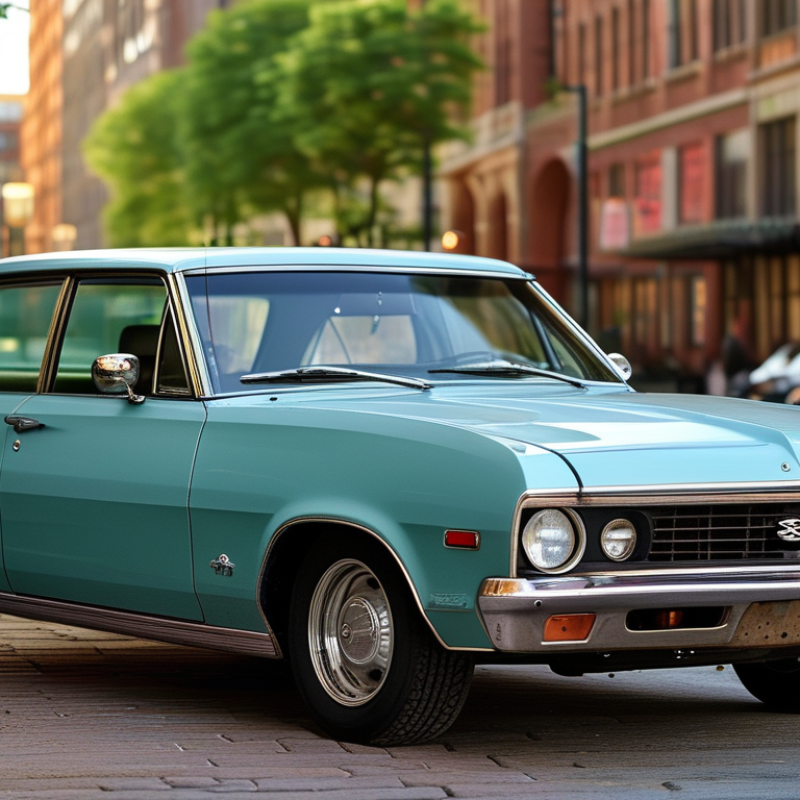
How to Negotiate the Best Price for a Used Car?

Understanding the Used Car Market: Key Terminology and Trends

Navigating the used car market requires knowledge of key terminology and trends. Understanding specific terms can significantly impact your negotiation strategy. Familiarize yourself with concepts like "fair market value" and "vehicle history report." These terms help you assess the car's condition, ownership history, and market demand.

Tips: Research fair market values online. Compare prices for similar models in your area. Look for trends in sales to determine if prices are rising or falling. This knowledge strengthens your bargaining position.

Stay aware of seasonal trends. Many people buy cars in the spring. Prices might increase during this period. During winter, prices often drop as demand decreases. Knowing when to shop can lead to better deals.

Tips: Be patient. Wait for the right moment to buy. Remain flexible about your preferred model, as this increases your chances of finding a great deal. Utilize negotiation tactics based on your research to ensure you’re getting a fair price, even in a competitive market.

Researching the Car's Value: Utilizing Online Tools and Resources

When negotiating for a used car, understanding its value is crucial. Online tools like Kelley Blue Book and Edmunds can provide valuable data. These platforms allow you to compare prices based on the vehicle’s make, model, year, and mileage. A study indicates that vehicles sold using these resources tend to close about 10-15% higher compared to those sold without them.

Utilizing data can empower your negotiations. For instance, NADA Guides offers real-time pricing based on your geographical location. Location impacts prices due to demand and supply variations. Remember to check online market trends. Websites like Autotrader reveal how long similar cars remain on the market. This insight can inform your offer strategy. An unrealistic offer might result in a lost opportunity.

Yet, be cautious. Data can mislead at times. Not every listing reflects actual sale prices. Sellers may inflate their asking prices due to sentimental value or market hype. A deeper understanding of historical price trends is also essential. Consider contacting local dealerships for market assessments. Their insights often reveal hidden truths about vehicle valuations.

Preparing for Negotiation: Setting Your Budget and Parameters

Preparing to negotiate for a used car requires careful budget planning. Start by determining how much you can afford. Include taxes, fees, and future costs like insurance and maintenance. Set a maximum price that you won’t exceed, giving yourself flexibility during the negotiation.


Research is vital at this stage. Check local listings to see what similar models sell for. This will help you establish a fair price range. Keep in mind, prices can vary based on condition and mileage. Don't be afraid to walk away if the deal does not meet your budget.


Consider your priorities, too. Do you value warranty options or fuel efficiency more? Reflect on what works best for you in the long run. Negotiation often isn't just about the price; quality matters as well. Remember, patience can lead to better deals. It's okay if the first discussions don't go perfectly. Each interaction gives you insight and experience for future negotiations.

Effective Negotiation Strategies: Tips for Engaging with Sellers

Negotiating the best price for a used car requires a strategic approach. Start by researching the market value of similar models. According to industry data, prices can vary significantly based on condition, mileage, and location. Understanding these factors can give you leverage. Use resources like online valuation tools to estimate a fair price range, which empowers your negotiation.

Engage effectively with sellers by building rapport. Listen actively to their concerns while expressing your own. A recent survey highlighted that 45% of successful negotiators emphasized the importance of communication. Inquire about the car's history. Details like previous accidents or service records can reveal potential issues. This transparency can be a bargaining chip during discussions.

Be prepared for counteroffers. Sellers may resist your initial price. Rather than getting frustrated, reassess your limits pragmatically. Data shows that 60% of negotiations involve multiple offers. Adjust your stance based on the seller's responses. Remember, patience often yields the best results. Take breaks if discussions become tense. Reflect on your strategy and adapt as necessary. This approach not only fosters a more positive atmosphere but can lead to a win-win outcome.

Used Car Price Negotiation Strategies

Finalizing the Deal: Important Considerations Before Purchase

When finalizing the deal for a used car, there are crucial considerations to keep in mind. Understanding the vehicle's history is essential. Review the service records and check for any major accidents. This step can save you from unexpected repair costs later. You wouldn't want to invest in a car that requires immediate attention, right?

The negotiation process is not just about the price. Think about the total cost of ownership, including insurance and maintenance. Some cars may seem cheap upfront but can be expensive over time. Always calculate potential expenses before making a decision.

Tips: Always get a trusted mechanic to inspect the vehicle. They can point out hidden issues. Don't hesitate to walk away if something feels off. Trust your instincts; there are many cars out there. Stay firm on your budget and be prepared to negotiate.

How to Negotiate the Best Price for a Used Car? - Finalizing the Deal: Important Considerations Before Purchase

Aspect Details
Budget Determine a maximum amount you can spend before negotiating.
Research Check the market value of similar cars using online tools.
Condition of the Car Inspect for any damages, maintenance records, and overall condition.
Vehicle History Report Obtain this report to understand past accidents and ownership.
Test Drive Always take the car for a test drive to ensure it meets your expectations.
Negotiating Tactics Start below your target price, and be prepared to walk away.
Final Agreement Ensure all terms are clear before signing any contracts.

FAQS

: How should I start preparing for car negotiation?

: Begin by setting a budget. Determine what you can afford, including taxes and fees.

What factors should I research before negotiating?

Look at local listings for similar models. Understand fair pricing based on condition and mileage.

Why is it important to set a maximum price?

A maximum price gives you room to negotiate while keeping you within your financial limits.

What if the deal doesn't meet my budget?

Don't hesitate to walk away. There are many options available that may better fit your budget.

What should I prioritize while negotiating?

Consider your needs, like fuel efficiency or warranties, to guide your negotiation strategy.

How can I ensure the car's quality before purchasing?

Review service records and get a trusted mechanic to inspect the vehicle for hidden issues.

What costs should I consider beyond the purchase price?

Total cost of ownership includes insurance and maintenance, which can affect long-term expenses.

How important are my instincts during negotiation?

Trusting your instincts is crucial. If something feels wrong, it's okay to walk away from the deal.

What should I expect from initial negotiation discussions?

The first talks may not go smoothly. Use them as learning experiences for future negotiations.

Can patience really lead to better deals?

Yes, being patient often results in better offers and more favorable terms in negotiations.

Conclusion

Negotiating the price of a used car can be a challenging yet rewarding experience when approached with the right strategies. To effectively negotiate the price of a used car, it is crucial to first understand the used car market, including essential terminology and current trends that influence pricing. Researching the car's value through various online tools and resources empowers buyers to set fair expectations and identify a reasonable budget for their purchase.

Preparation plays a vital role as well; establishing a clear budget and defining parameters before engaging with sellers can lead to more fruitful negotiations. Employing effective negotiation strategies is key—this could involve asking questions, remaining assertive yet friendly, and being willing to walk away if the deal doesn’t meet your terms. Finally, when you are ready to finalize the deal, consider important elements such as the vehicle's condition and legal documentation to ensure a smooth transaction. Understanding these steps will guide potential buyers on how to negotiate the price of a used car effectively.

Charlotte

Charlotte

Charlotte is a seasoned marketing professional with a deep understanding of the company's portfolio and a passion for elevating its presence in the market. With a keen eye for detail and a commitment to excellence, she ensures that our professional blog is regularly updated with insightful articles......