The question, "Why do used cars depreciate so fast," strikes at the heart of consumer concerns. Buying a used car often seems like a viable option, but the rapid loss of value can be alarming. Factors influencing depreciation include age, mileage, and market demand.
A new car loses about 20% of its value the moment it leaves the dealership. After three years, this percentage can rise to 50%. The rapid depreciation stems from several causes. For example, vehicles that accumulate high mileage tend to lose appeal quickly. Additionally, as new models with advanced features are released, older models start to look outdated.
Understanding these dynamics can help consumers make smarter purchasing decisions. While it’s tempting to buy a slightly used vehicle for cost savings, the reality of depreciation shouldn’t be overlooked. Buyers should weigh the pros and cons carefully. Assessing the long-term value can save you from unexpected losses. It's essential to reflect on what truly matters in a vehicle purchase.
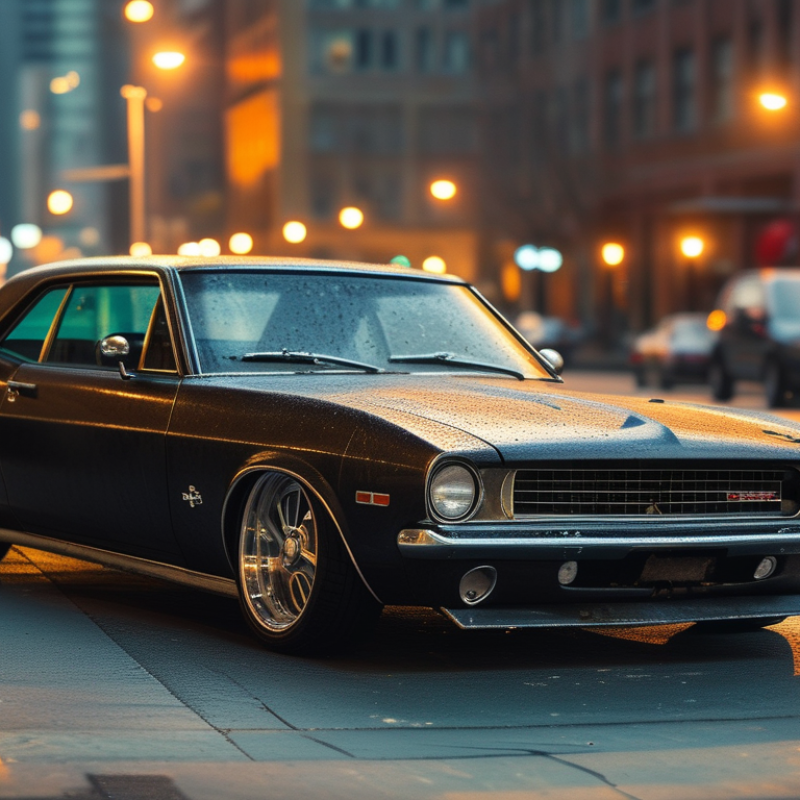
Understanding Depreciation in Used Cars
Depreciation is a critical aspect of the automotive market, particularly for used cars. On average, a new vehicle can lose about 20% of its value within the first year. According to recent industry data, cars typically depreciate by 15% annually in subsequent years. This rapid loss in value can be attributed to several factors, including age, mileage, and market demand.
High mileage often leads to increased wear and tear. Vehicles with over 100,000 miles can see an even steeper depreciation rate, sometimes exceeding 40% from their original price. In addition, the introduction of new models and updated technology can frequently diminish the desirability of older cars. For instance, a study indicated that the release of a new model could reduce the value of a previous generation vehicle by as much as 10% within the first six months of its release.
Market fluctuations also play a significant role in depreciation. Economic conditions impact consumer purchasing power. When the economy falters, demand for used cars can drop, leading to lower prices. This aspect may not be entirely within the control of manufacturers or dealers, making the complexity of depreciation a point for reflection. Understanding these dynamics is essential for both buyers and sellers in the used car market.
Factors Influencing the Rapid Value Decline
Used cars experience rapid value decline for several reasons. One major factor is depreciation. As soon as a car is sold, it loses a significant portion of its value. This initial drop can be unsettling, yet it's a reality of the automotive market. Buyers may hesitate when they see how quickly values fall, making them more cautious in future purchases.
Another influencing factor is mileage. Higher mileage typically means more wear and tear. A car with low mileage often commands a higher price. Additionally, maintenance and repair history play crucial roles. A well-documented service record can enhance a car’s value, while a lack of records can lead to distrust among potential buyers.
Market demand significantly affects used car prices as well. Economic changes and fuel prices can cause fluctuations. Vehicles that are popular in one season might tank in value during another. Buyers need to stay informed about these trends. It’s essential to consider both market factors and vehicle condition when assessing value. This complexity can create confusion, but understanding these elements can empower consumers in their buying decisions.
The Role of Market Demand on Used Car Prices
The market demand for used cars plays a crucial role in their rapid devaluation. Factors like the economy and consumer preferences shift frequently, affecting prices. When a new model is released, the old version may lose significant value almost overnight. Many buyers are drawn to shiny, new features. This easily sidelines older models, regardless of their condition.
Another element at play is the availability of information. Today, potential buyers conduct extensive research online. They compare prices and read reviews quickly. This transparency can lead to price drops, as sellers adjust to remain competitive. A slight change in trendy features can alter the demand for specific types of cars. Popularity can vanish just as fast as it arrives.
However, it’s important to recognize that not all used cars lose value at the same rate. Some retain their worth better due to rarity or desirability. Yet, many factors complicate this. Economic fluctuations, fuel prices, and even societal shifts can impact preferences. The unpredictability in the market makes it a challenging landscape for buyers and sellers alike. Understanding these dynamics can help navigate the complexities of used car pricing.
Why Do Used Cars Lose Value So Quickly?
Impact of Mileage and Condition on Resale Value
When considering the resale value of a used car, mileage plays a critical role. Higher mileage often indicates that a vehicle has been used extensively. This can raise concerns for potential buyers about wear and tear. It usually translates to more frequent repairs, which may deter buyers. On average, cars lose about 15% to 20% of their value each year. With every 10,000 miles driven, this depreciation accelerates.
Condition also significantly impacts resale value. A well-maintained car can fetch a better price. Minor repairs and regular servicing can make a difference. Buyers often look for signs of neglect. Dents, scratches, or a dirty interior can reduce a car’s appeal. A clean, inspected vehicle, however, often stands out in a crowded market. A vehicle's history report can reveal much about its condition.
Reflecting on these factors can deepen our understanding of the car market. It might be surprising how quickly a car's value declines. Awareness of these elements can help sellers make informed decisions. Whether keeping up with maintenance or limiting mileage, each choice affects resale potential.
Comparison of Depreciation Rates Across Different Vehicle Types
Depreciation rates vary significantly across different vehicle types. Generally, sedans tend to lose value faster than SUVs. In the first year, a new sedan can drop by about 20%. In contrast, SUVs often experience a more gradual decline. This trend is due to consumer preference; many buyers prefer the utility and spaciousness of SUVs.
Trucks also follow their own unique depreciation path. While they initially depreciate quickly, their value stabilizes better over time. Pickup trucks are often more desirable in the used car market. When considering hybrid or electric vehicles, they present different challenges. While they may have lower initial depreciation rates, battery longevity impacts their overall value.
Market demand drives these depreciation trends. Economic factors, fuel prices, and even popular culture influence which vehicles hold value. Understanding these nuances is vital for potential buyers. It helps them make informed choices about what vehicle to invest in. As preferences shift, some vehicles may surprise us by retaining their value better than expected.
FAQS
: Depreciation is the loss of a vehicle's value over time. It typically occurs rapidly in the first year.
New vehicles can lose about 20% of their value in the first year alone.
Age, mileage, market demand, and new model releases all affect depreciation rates.
Cars with over 100,000 miles may see a depreciation rate exceeding 40% from their original price.
New models often have updated features, making older cars less desirable. Value can drop quickly.
Economic conditions impact consumer demand. A poor economy can lead to lower prices for used cars.
No, some used cars retain value better due to rarity or strong desirability.
Demand can shift due to economic trends and changing consumer preferences. Prices can drop rapidly.
Consumers research prices online. This transparency can force sellers to adjust prices to remain competitive.
It helps navigate market complexities. Both sides must recognize shifting trends and market dynamics.
Conclusion
Used cars often experience rapid depreciation, leading many to wonder, "Why do used cars depreciate so fast?" Several factors influence this sharp decline in value, with depreciation primarily stemming from the vehicle's initial purchase price, age, and overall market dynamics. As soon as a new car is driven off the lot, it loses a significant portion of its value, and this trend continues as time passes.
Additionally, market demand plays a crucial role in determining used car prices. A high supply of similar vehicles can drive prices down, while limited availability can sustain values. Other contributing factors include the car's mileage and overall condition, which directly impact resale value. Furthermore, different types of vehicles exhibit varying depreciation rates, influenced by factors such as popularity, reliability, and market trends. Understanding these elements can provide clarity on the fast depreciation of used cars.

 Pixy Car