When considering a used car, a common question arises: "Why do some used cars come with warranty?" This is an important aspect that can significantly influence a buyer's decision. A warranty often indicates that the vehicle has undergone thorough inspection and meets certain quality standards. Dealerships and manufacturers provide these warranties to foster trust and ensure customer satisfaction.
Warranties serve as a safety net for buyers. They reflect confidence in the vehicle's reliability. For instance, many certified pre-owned cars come with warranties that cover key components. This can include the engine, transmission, and even the electrical system. Thus, a warranty not only boosts the perceived value of the car but also offers peace of mind.
However, not all warranties are created equal. Understanding the terms and conditions is crucial. Some warranties may cover fewer aspects or last for a shorter time. Additionally, buyers should be cautious of vehicles that have been repaired or maintained improperly, even with a warranty in place. It’s a reminder that while a warranty can add value, it shouldn't be the sole reason for a purchase. An informed approach leads to a better decision in the used car market.
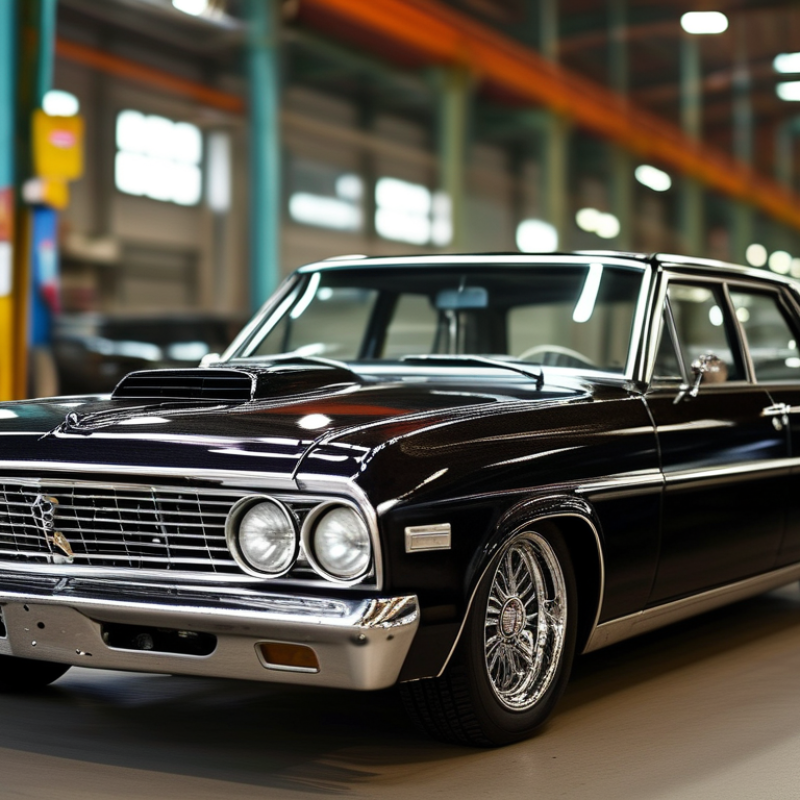
Benefits of Purchasing a Used Car with a Warranty
Purchasing a used car with a warranty offers several advantages that can enhance your buying experience. One of the primary benefits is peace of mind. A warranty often covers major repairs, which shields you from unexpected costs. Imagine driving your used car, knowing that you’ll be protected against engine issues or transmission failures. This comfort is invaluable for many buyers.
Additionally, a warranty can enhance the overall value of your purchase. When you choose a car with a warranty, it often signifies that you are investing in a reliable vehicle. Warranties can also improve resale value. Prospective buyers may be more inclined to purchase a car that has an active warranty, as it suggests the vehicle has been well maintained.
Some may view warranties as an unnecessary expense, especially for lower-priced cars. This perspective can overlook the benefits. Repairs can quickly add up, making a warranty a wise investment. But, you should carefully read the terms of the warranty. Some exclusions or limitations might unexpectedly affect coverage. A deeper understanding of what is included can prevent future frustrations.
Understanding Different Types of Warranties Available for Used Cars
When shopping for used cars, understanding the types of warranties available is crucial. There are several options, each with unique benefits. A limited warranty may cover specific parts, like the engine or transmission, for a certain period. This means you’ll have coverage for major repairs, which offers peace of mind.
Another common option is a powertrain warranty. This type focuses on critical components like the engine and drivetrain. It's often more comprehensive than a limited warranty. Many dealerships offer it as a part of their sales package. If a significant issue arises with these systems, you won’t face unexpected costs.
CPO (Certified Pre-Owned) programs provide extensive warranty protection. They often include additional inspections and reconditioning processes. However, these programs can be costly, and the fine print may include restrictions. It’s important to read the terms carefully. Some warranties may not cover routine maintenance, which can lead to frustration later. Understanding the nuances of these warranties can help buyers make more informed decisions.
Factors Influencing Warranty Coverage and Duration in Used Cars
When considering used cars, warranty coverage can vary widely. The duration and extent of coverage often depend on the vehicle's age and mileage. Newer used cars tend to have longer warranty periods. Many manufacturers offer limited warranties that may still apply to these vehicles. For instance, a car just a year old might still be under its original warranty.
Another crucial factor affecting warranty is the dealership's policies. Some dealers provide their own warranties for used cars. These warranties may cover specific repairs or offer additional roadside assistance. Always read the fine print, as limitations often apply. Unfortunately, these warranties can sometimes be vague or confusing. This lack of clarity may lead to misunderstandings about what is actually covered.
Vehicle history plays a key role too. A car with a clean maintenance record generally attracts better warranty options. In contrast, cars with past accidents or extensive repairs may have limited coverage. Therefore, always check the vehicle's history before buying. Consider asking questions to ensure you fully understand what is included in the warranty and what might be excluded.
Common Misconceptions About Used Car Warranties
Used car warranties often come with misconceptions that cloud buyers’ decisions. Many people believe that these warranties are too good to be true. According to a report by the Automotive Warranty Services Association, about 60% of consumers misunderstand the scope of coverage. They may think it covers all repairs, while it often excludes wear-and-tear parts. This leads to frustration when they discover limitations after purchase.
Another common myth is that used cars with warranties are typically high-priced. Market analysis indicates that only about 20% of used cars with extended warranties command a higher price. In fact, a warranty can significantly enhance the vehicle's resale value by adding perceived reliability. However, potential buyers must research the warranty coverage details to avoid unexpected out-of-pocket expenses.
Misunderstanding exists around the duration and transferability of warranties. Many assume warranties last indefinitely, but most only cover a limited timeframe or mileage. According to a survey by Consumer Reports, only 15% of used car buyers thoroughly read warranty terms before purchase. This oversight leaves them unprepared for future repairs. Being aware of these factors can empower buyers to make informed decisions.
Top 10 Reasons Some Used Cars Come With Warranty? - Common Misconceptions About Used Car Warranties
| Reason |
Description |
| 1. Reliability Concerns |
Many dealers offer warranties to reassure buyers about the condition of the vehicle. |
| 2. Increased Marketability |
Warranties can make used cars more attractive compared to others without coverage. |
| 3. Protecting Against Unknowns |
Warranties help cover potential issues that may arise after purchase. |
| 4. Used Car Reconditioning |
Cars that have been thoroughly checked and reconditioned often come with warranties. |
| 5. Extended Coverage Options |
Some warranties include options for extended coverage beyond the initial period. |
| 6. Dealer Competition |
In a competitive market, offering warranties can help dealers stand out. |
| 7. Peace of Mind |
Buyers feel more secure knowing they have warranty coverage on their vehicle. |
| 8. Cost Savings on Repairs |
Warranties can save owners from unexpected repair costs after purchase. |
| 9. Maintenance Requirements |
Some warranties may require regular maintenance, encouraging better vehicle care. |
| 10. Misconceptions About Warranties |
Many buyers mistakenly believe that all used cars are sold as-is without warranties. |
How to Evaluate the Value of a Used Car Warranty Before Purchase
When purchasing a used car, a warranty can offer peace of mind. Evaluating the value of this warranty is crucial. Not all warranties are created equal. Understanding what is covered and for how long can save you money in repairs. Look for details about parts and labor. A comprehensive warranty is worth considering.
Tips: Research common issues for the specific make and model. This knowledge helps you assess if the warranty covers these problems. Make sure to check the warranty provider’s reputation. A reliable, well-reviewed company can make a big difference. Don't skip this step.
Be cautious of the warranty's limitations. Some have strict conditions or exclusions that may not suit your situation. Examine the fine print. Are there deductibles for repairs? Is roadside assistance included? These factors can impact your overall satisfaction. Consider how often you might need service. A longer warranty may not always justify the extra cost.
Top 10 Reasons to Consider a Used Car Warranty
Conclusion
When considering the question of "Why do some used cars come with warranty," it’s essential to explore the benefits of purchasing such vehicles. A warranty can provide peace of mind, protecting buyers from unexpected repair costs and enhancing the overall value of the car. Understanding the various types of warranties available—such as limited warranties or certified pre-owned warranties—allows consumers to make informed decisions.
Several factors influence the coverage and duration of these warranties, including the car's age and mileage, as well as manufacturer policies. However, there are common misconceptions surrounding warranties, such as believing that all used cars come with extensive coverage. Evaluating the true value of a warranty before a purchase is crucial, enabling potential buyers to discern whether the added protection justifies the cost.

 Pixy Car