Selling a used car well takes more than posting a price and waiting for offers. A clean interior, clear photographs, and a documented service history can help buyers see its value. So can an honest description of wear, repairs, and known issues. Small details matter. A faint warning light or a cracked seat may change a buyer’s offer, even when the car runs reliably.
If you are asking, “How to sell my used car for the best price,” start by learning what similar vehicles actually sell for in your area. Compare cars with similar mileage, condition, trim, and maintenance records. Asking prices provide clues, but they are not guaranteed sale prices. Be realistic. A price set too high can leave a listing untouched; one set too low may cost you money. There is no perfect formula, and online estimates can miss local demand or a car’s unusual features.
This guide will help you prepare the vehicle, choose a fair asking price, and present it clearly to prospective buyers. You will also learn how to organize maintenance records, plan test drives safely, and assess offers without rushing. Keep your claims accurate and your paperwork ready. A little patience helps. The best result is not always the highest number on one offer; it is a fair price, a smooth transaction, and confidence that you represented the car honestly.
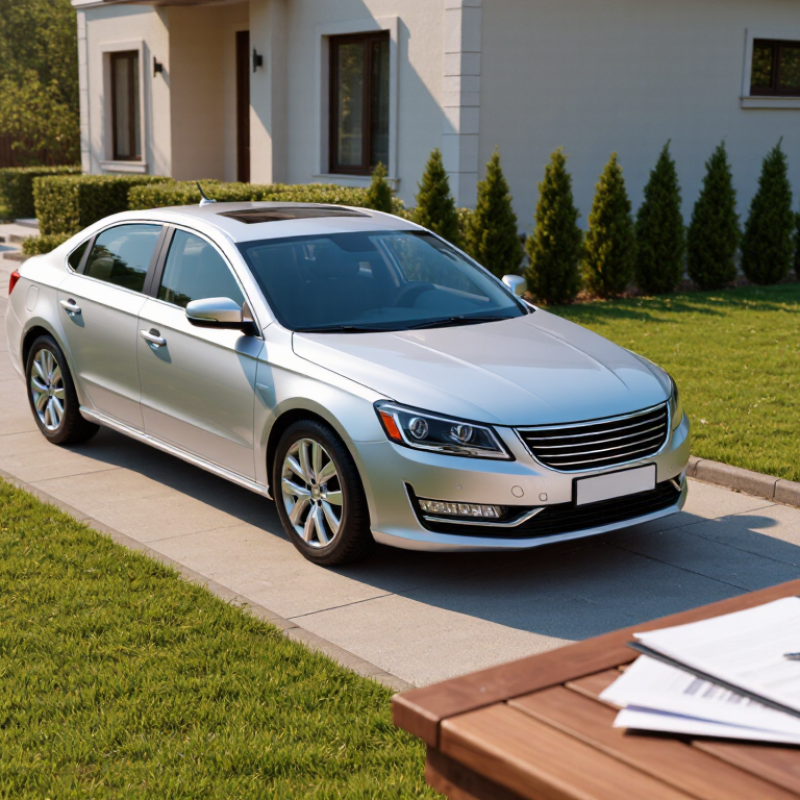
Set your asking price from evidence, not the highest listing you can find. The National Automobile Dealers Association’s 2024 data report estimated about 38.3 million used-vehicle sales in the United States during 2023, a large market with plenty of variation. Compare several nearby listings with the same model year, trim, and drivetrain. Then adjust for mileage, accident history, service records, worn tires, and visible scratches. A car with 82,000 miles is not directly comparable to one with 45,000, even if both look clean in photos. Check recent sale or valuation data where available; asking prices show seller hopes, not necessarily what buyers paid.
Record your comparisons in a simple table: location, mileage, condition, listed price, and days online. Remove unusually cheap listings with major damage, and be cautious about unusually expensive ones that have sat for weeks. I still find it tempting to anchor on the most flattering comparison. That can backfire. A realistic price should leave room for ordinary negotiation without making your car look overpriced beside similar local options. Recheck the market shortly before posting, since demand and inventory shift by season and region. If you cannot explain why your car costs more than comparable examples, lower the price or document the difference with maintenance receipts and clear photos.
Before photographing the car, wash the exterior, vacuum the seats, and clear personal items from the glove box. Check that the odometer display, warning lights, and tire condition are easy to see. A clean car photographs better, but cleanliness cannot replace proof of care. Keep receipts for oil changes, brake work, tires, battery replacement, and larger repairs. A simple folder works; so does a clearly labeled digital file.
The National Automobile Dealers Association’s 2024 Data report says franchised dealerships sold about 14.9 million used vehicles in 2023. Private sellers compete in a large market, so dated records can help explain why a car deserves its asking price. Arrange documents by date, and note the mileage shown on each service receipt. Include the title and available ownership records, but cover sensitive personal details in copies shared online. If a receipt is missing, say so plainly. A gap does not prove neglect, though buyers may wonder. That is fair, sometimes. Check that names, dates, and mileage entries agree; a small mismatch can create avoidable doubt. Don’t promise repairs you cannot document. A neat folder feels minor, yet it gives a cautious buyer something concrete to inspect.
| Preparation Area | What to Do | Records or Evidence to Gather | How It Helps Buyers Assess the Car |
|---|---|---|---|
| Interior and exterior cleaning | Wash and dry the exterior, clean the wheels and windows, vacuum the cabin, and remove personal items. | Before-and-after photos, if available | A clean, uncluttered presentation makes the vehicle easier to inspect and photograph. |
| Basic condition check | Check that lights, indicators, windows, mirrors, seat belts, and other basic features work. Note any known faults rather than concealing them. | A written list of known issues and recent checks | Clear information helps set accurate expectations and supports a straightforward inspection. |
| Maintenance history | Arrange service records in date order and identify the work performed at each visit. | Invoices, service-book entries, inspection reports, and repair receipts | A consistent history can help a buyer understand how the car has been maintained. |
| Major repairs and parts | Include documentation for significant repairs or replaced components, where available. | Repair invoices showing the date, work completed, and mileage recorded | Specific records provide more useful detail than a general statement that repairs were completed. |
| Ownership documents | Confirm that the ownership and registration documents are available and that the details are consistent. | Applicable title or registration documents and any transfer paperwork | Complete paperwork can make it easier for the parties to verify ownership and complete a sale. |
| Inspection and roadworthiness | Check the current status of any legally required inspection or roadworthiness certificate in your area. | Relevant inspection certificates or test results | Current documentation helps buyers understand whether any required inspection is due. |
| Keys and included items | Collect all available keys and list any manuals or equipment included with the car. | Keys, owner’s manual, service records, and an item checklist | A clear inventory reduces uncertainty about what the buyer will receive. |
| Photos and listing details | Take clear photos in good light and describe the car’s condition, mileage, maintenance, and known defects accurately. | Current odometer photo and clear images of the exterior, interior, and any visible damage | Accurate details help prospective buyers make an informed decision before arranging a viewing. |
Tip: Keep original documents secure and provide copies when appropriate. Requirements for ownership transfer and vehicle inspections vary by location.
An accurate listing begins with details you can verify: model year, mileage, engine type, transmission, and recent maintenance. Check the odometer and paperwork rather than guessing. Describe the car’s condition plainly, including dents, worn seat edges, cracked trim, or a warning light. If you are unsure about a repair, say so instead of presenting it as fixed. Small details matter. Buyers notice when the description matches the car in front of them.
Take photos in daylight on a clean, level surface. Include front, rear, both sides, dashboard, seats, trunk, and close-ups of visible damage. Keep the camera steady, and move clutter out of the cabin. A photo of the odometer can support the mileage listed; remove personal papers and belongings from view. I once thought a quick set of phone pictures was enough, but reflections hid a scrape and made the paint look uneven. Retaking them took only a few minutes. Clear images and complete details help buyers judge the car fairly and reduce avoidable questions.
Screen buyers before scheduling a viewing: ask for their full name, a working phone number, and when they can arrive. Vague replies are a reason to slow down, not to share your home address. Arrange the meeting in daylight at a busy public place, and bring another adult.
Check the buyer’s driving licence before a test drive; confirm they are insured to drive your car. Keep your own keys and ride along. Never leave documents or valuables in the cabin.
The risk is real.
The FTC’s 2023 Consumer Sentinel Network Data Book recorded 2.6 million fraud reports and $10 billion in reported losses. Treat payment screenshots as unverified; confirm cleared funds directly with your bank.
For pricing, use recent local listings and set a firm minimum before meeting. During negotiation, ask what supports a lower offer, then answer with service records, condition, and comparable prices.
Point out a worn tire or chipped windshield plainly; small honesty builds trust, though it may cost you leverage. Do not accept pressure to decide immediately.
Silence can help.
A clean handover starts with paperwork, not the keys. Check your local requirements before meeting the buyer; forms and transfer steps vary by location. Prepare the title or ownership document, a bill of sale, and any required transfer notices. Write down the car’s make, model, vehicle identification number, sale price, date, and both parties’ details. Read every line before signing. A small error can delay the transfer. Keep copies of signed documents and remove personal information from the car’s navigation system and phone connections.
Confirm payment before handing over the keys. For a bank transfer, verify the funds in your own account rather than relying on a screenshot or email. If using another accepted payment method, check it carefully and allow time for confirmation. Meet somewhere safe, and make sure the buyer receives only the documents and items agreed upon. Take a photo of the odometer and keep a dated record of the handover. It can feel awkward to pause while payment clears, but rushing is worse. I might still forget a detail, so a short checklist helps.
Tips: Bring a pen and spare copies. Keep copies. Don’t sign blank forms, and don’t leave until payment is confirmed and the paperwork is complete.
Compare several nearby cars with the same year, trim, and drivetrain. Adjust for mileage, condition, and service history. Asking prices are not confirmed sale prices.
Note mileage, accident history, worn tires, scratches, location, and days listed. An 82,000-mile car is not equal to one with 45,000 miles. Looks can mislead.
Not automatically. A high-priced car may have sat online for weeks. Choose a price you can explain with condition, repairs, or clear records.
Wash the exterior, vacuum the seats, and remove personal items. Make the odometer, warning lights, and tires easy to see. A clean cabin helps, but it proves little.
Keep dated receipts for oil changes, brakes, tires, battery work, and major repairs. Arrange them by date and check the mileage entries.
Say so plainly. A missing receipt does not prove neglect, but buyers may have questions. I might be tempted to gloss over gaps; that can weaken trust.
Include relevant title and ownership information, but cover sensitive personal details in shared copies. Keep the originals available for a careful review.
Confirm that names, dates, and mileage entries agree. Do not promise repairs without proof. A small mismatch can raise doubts. Repair it, if possible.
Selling a used car for the best price starts with understanding what it is worth. Compare its condition, age, mileage, and features with similar cars to set a competitive asking price. Before advertising, clean the car, address minor issues where practical, and collect maintenance records, ownership documents, and other useful information. A well-prepared car and organized records can help buyers feel confident and support your asking price.
To learn How to sell my used car for the best price, create an honest listing with clear photos and complete details about the car’s condition and history. Respond thoughtfully to interested buyers, screen them before arranging a meeting, and choose a safe location for any test drive. Consider reasonable offers calmly and be ready to discuss the price. Once you and the buyer agree, complete the required paperwork and confirm that payment has been received before handing over the car and its keys.

Pixy Car