When purchasing a used car, understanding its history and condition is crucial. A report by Carfax states that nearly 25% of vehicles have hidden problems. These issues can range from engine problems to frame damage. Identifying these risks is vital for a safe investment.
What are common hidden problems in used cars? This question often arises among buyers. Major concerns include undisclosed accident damage, transmission issues, and even flood damage. The National Highway Traffic Safety Administration reports that about 1 in 10 used cars has been in a serious accident. These statistics highlight the importance of thorough inspections before making a purchase.
Research shows that many buyers overlook essential details. Factors such as previous ownership history, service records, and mechanical inspections can reveal underlying issues. Unfortunately, many fall into the trap of superficial evaluations. Taking the time to investigate can prevent costly surprises down the road.
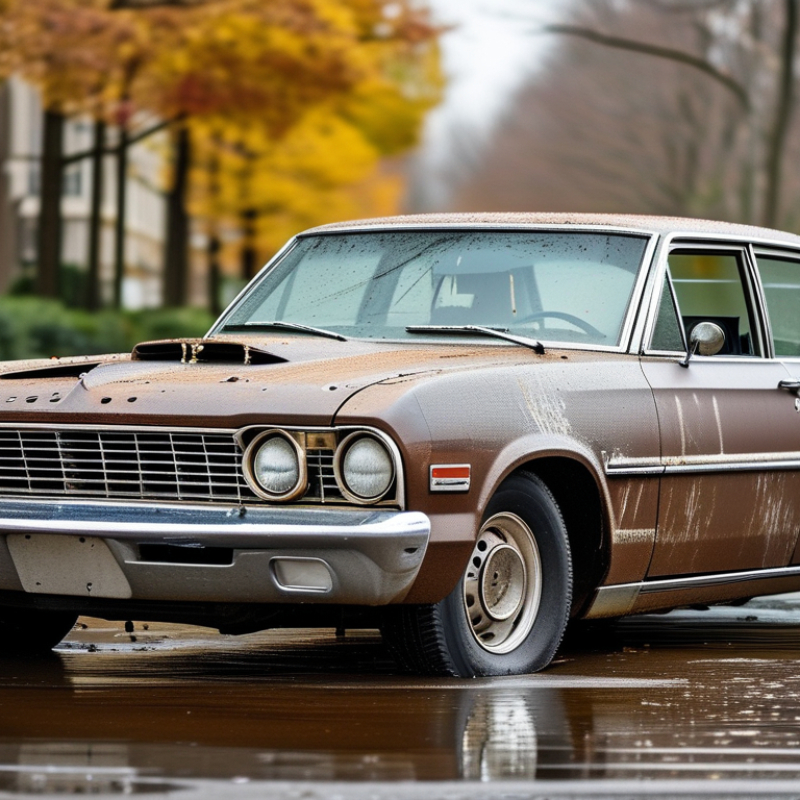
When considering a used vehicle, it's crucial to spot signs of wear and tear. Start with a close-up inspection of the car's exterior. Look for scratches, rust, or uneven paint. These could indicate past accidents. Check the tires for even wear as this shows proper alignment. Tires should have at least 2/32 inches of tread.
Inside the car, pay attention to the upholstery and dashboard. Worn-out seats or a cracked dashboard can hint at neglect. Listen for strange noises when starting the engine. A rough engine start may reveal deeper mechanical issues. Check the fluid levels too. Low transmission fluid often means the car has not been well maintained.
Test all electronics before buying. Malfunctioning lights or windows could signal more significant electrical problems. Always ask for maintenance records. They help gauge the car's care history. If records are missing, it might be wise to walk away. Awareness is the key; even small details can reveal hidden issues. Trust your instincts during the evaluation process.
When considering a used car, examining the vehicle’s history report is crucial. Many buyers overlook this step, missing out on vital information. According to the National Highway Traffic Safety Administration, nearly 20% of cars on the market may have been in serious accidents. A thorough report reveals past accidents, title discrepancies, and service records, helping you identify potential red flags.
Look for odometer inconsistencies in the report. A discrepancy may indicate tampering, which is a significant concern. About 1 in 5 used cars may have altered odometers, according to a study by Carfax. This manipulation can hide the vehicle's true condition and affect its value. Be cautious if the reported mileage seems unusually low for the car's age.
Additionally, check for any outstanding recalls. Data from the National Safety Council indicates that around 25% of vehicles on the road have unaddressed recalls. Ignoring these could pose severe safety risks. If the report shows a recall, ensure it has been addressed. Evaluating these factors not only safeguards your investment but also enhances your purchasing confidence.
This chart displays common red flags found in used cars' history reports. The findings suggest that accident history is the most common issue, followed by various title issues and service records, giving potential buyers insight into problems that may affect their purchase decisions.
Conducting a thorough visual inspection is crucial when considering a used car. Research indicates that nearly 35% of used cars have undisclosed issues, making vigilance essential.
Start by examining the body for rust, dents, or mismatched paint, which often signify previous accidents. This visual damage can indicate underlying structural problems.
Check the tires for uneven wear, which can hint at alignment issues or suspension troubles. Investigate the undercarriage for fluid leaks—this could suggest mechanical problems that might be costly to repair. Don’t overlook the headlights and taillights; they should be clear and fully functional to ensure safety.
Look closely at the interior. Inspect for wear on the upholstery and dashboard, which can indicate the car's overall condition. Test all electronic features. If something feels off, it might be worth questioning. Regular maintenance records can reassure you about the car's history, but a lack of them could reveal underlying concerns.
Visual inspections require patience and attention to detail. Forgetting something small can lead to unexpected expenses. Always trust your instincts; if something feels wrong, it often is.
When test driving a used car, focus on assessing its performance and handling. This is crucial for revealing potential hidden issues. Pay close attention to how the vehicle accelerates. A car that struggles to gain speed might indicate problems with the engine or transmission. According to the National Highway Traffic Safety Administration, symptoms like sluggish acceleration can also point to faulty fuel systems.
Listen carefully during the drive. Unusual noises can be red flags. Clunks, rattles, or grinding sounds may suggest issues with suspension components or braking systems. According to industry reports, nearly 30% of used vehicles show signs of wear in the suspension that can be costly to repair later.
Evaluate the car’s handling and braking response. A well-functioning car should stop effectively without screeching or pulling to one side. If the steering feels loose, this may indicate alignment issues. Test the brakes at various speeds to get a full picture.
When test driving, ensure you find a quiet area to listen closely. Take time to really feel the car’s responsiveness. If something feels off, don't ignore those instincts. Investigate further or consult a professional before making your purchase decision.
| Aspect | Description | Potential Issues | Testing Method |
|---|---|---|---|
| Engine Performance | Smoothness of engine operation during test drive. | Rough idling, unusual noises, loss of power. | Listening for sounds, acceleration tests. |
| Braking System | Effectiveness of brakes during stopping. | Squeaking noise, delayed response, pulling to one side. | Testing brakes at different speeds. |
| Steering Response | Responsiveness and steering feel during turns. | Loose steering, vibration, excessive play. | Making sharp turns and observing control. |
| Suspension | Comfort during ride and absorbing bumps. | Bouncing, excessive body roll, noise over bumps. | Driving over uneven surfaces. |
| Tire Condition | Tire tread depth and wear distribution. | Uneven wear, low tread depth, bulges. | Visual inspection and tread depth measurement. |
When considering a used car, the condition is paramount. It's essential to consult a mechanic for a pre-purchase inspection. Studies show that about 39% of used cars have unresolved issues. A thorough inspection can reveal hidden problems that may not be apparent during a typical test drive. Mechanics are trained to identify signs of wear and damage that the average buyer might overlook.
For example, checking for corrosion in key areas and testing the engine's performance can save buyers from significant headaches. A report from a leading automotive service company indicates that 72% of buyers who consulted a mechanic felt more confident in their purchasing decisions. While it's tempting to skip this step, relying solely on a seller's word can lead to regret. Remember, a reliable mechanic can provide an unbiased assessment of the vehicle.
Moreover, consult the car's history report. Even if everything seems fine, issues like previous accidents or title problems may exist. A pre-purchase inspection, paired with a vehicle history check, creates a more comprehensive view of the car's condition. Many buyers underestimate the benefits of such diligence. Investing time and resources in this process ensures better long-term satisfaction.
: Inspect for scratches, rust, or uneven paint which may indicate past accidents.
Check for even wear and ensure tread depth is at least 2/32 inches.
Look for worn-out seats and a cracked dashboard, which suggest poor care.
Strange noises may signal deeper mechanical issues that need attention.
Missing records can be a red flag; it’s wise to consider other options.
Mechanics can identify problems that may not be evident during a test drive.
Be patient and detail-oriented; overlooking small issues might lead to extra costs.
Test all electronics and examine the undercarriage for leaks to avoid future problems.
It can reveal past accidents or title issues that are not visible during inspection.
Some rely solely on sellers' words, missing out on essential inspections and assessments.
When buying a used car, it's crucial to identify common hidden problems that may affect its performance and longevity. Start by recognizing signs of wear and tear, such as uneven tire wear, rust spots, and worn-out interiors, which can indicate the vehicle's overall condition. Examining the vehicle's history report is essential to uncover any past accidents, title issues, or recall information that could signal potential problems.
A thorough visual inspection allows buyers to catch any red flags before making a purchase, such as leaks or signs of poor repairs. Test driving the vehicle is another critical step to assess its performance and handling, as unusual noises or vibrations can hint at underlying issues. Lastly, consulting a mechanic for a pre-purchase inspection can provide an expert opinion on the car's condition, helping you make an informed decision while minimizing the risk of hidden problems.

Pixy Car