Buying a used car can save money, but a shiny exterior does not tell the whole story. A vehicle may look spotless while hiding worn tires, incomplete service records, or warning lights that appear only after a cold start. Small details matter. A seller’s confident description is useful, but it is not a substitute for checking the car yourself.
This guide, “10 Tips to Avoid Mistakes When Buying a Used Car,” focuses on practical checks buyers can make before committing. It covers reviewing the vehicle history, matching identification details, arranging an independent inspection, and taking a careful test drive. Listen for uneven engine sounds. Notice whether the steering pulls to one side. Check that the air conditioning, lights, and windows work. Ask to see maintenance records, and compare their dates and mileage with the vehicle’s condition. What mistakes to avoid when buying used cars is a question best answered with patience, evidence, and a willingness to walk away. A checklist helps, but it cannot guarantee a perfect purchase. Even careful buyers can overlook something. I might, too. When details conflict or a problem is unclear, pause and seek advice from a qualified mechanic or relevant local vehicle service. A little caution before signing can prevent costly surprises later.
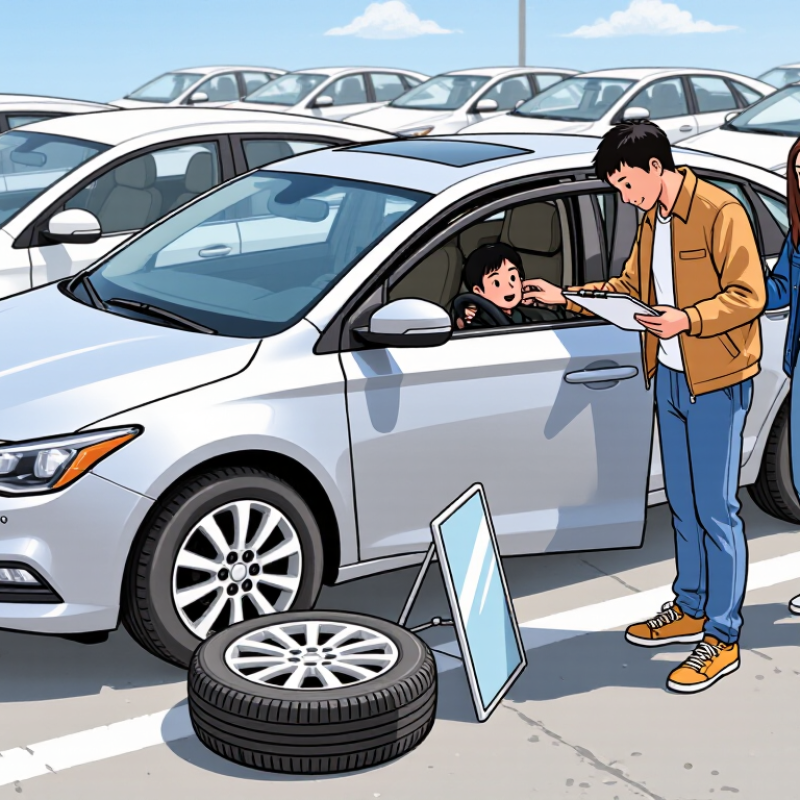
Set a realistic ceiling before you browse. Include the purchase price, taxes, registration costs, insurance, and an independent inspection. Keep some money aside for repairs; even a well-maintained car may need new tires or a battery. Tip: Check your monthly budget, not just your savings. A low price can still bring high running costs.
Write down what you truly need for daily life. Count your usual passengers, measure space for a stroller or work tools, and consider your commute. If you drive mostly in town, a large vehicle may be unnecessary. If you travel long distances, comfort and fuel use may matter more. Tip: Separate needs from nice-to-haves. “Room for five” is clearer than “something roomy.”
Compare a few suitable cars before arranging viewings, and use the same checklist for each one. Ask about service records, inspect the interior for wear, and budget for a mechanic’s assessment. Don’t stretch your limit because a car looks spotless in the photos. Photos can hide details. Your estimate may still be imperfect, so leave room to reconsider after seeing the car in daylight and checking its condition.
Example budget for a $12,000 used car. The tax and title estimate assumes an 8% rate; fees vary by location. The inspection and maintenance reserve are planning estimates, not market averages.
Budgeting takeaway: Plan for more than the advertised price. Check local taxes and fees, arrange an independent inspection, and set aside money for likely initial maintenance before deciding what you can afford.
Before visiting a seller, shortlist several model years using independent reliability surveys, repair records, and owner complaints. Look for recurring faults, not one dramatic online story. Check open recalls through the U.S. National Highway Traffic Safety Administration’s database, then compare service records for the exact vehicle. A reliable model can still be a poor buy if it was neglected. Details matter.
Price comparisons need similar vehicles: same model year, trim, mileage range, and condition. The U.S. Bureau of Labor Statistics reported that used-car and truck prices were 3.3% lower in December 2024 than a year earlier. That broad market measure is useful context, not a quote for one car. Check several current listings in your area, and note how long they have been advertised. A spreadsheet can still mislead if it mixes accident-free cars with damaged ones. Check twice. Before negotiating, arrange an independent inspection and compare its findings with the seller’s claims. A small price gap may be fair if maintenance is documented; a low asking price may hide worn tires, leaks, or overdue repairs. I would not treat any pricing guide as exact. The car’s condition can change the math quickly.
A vehicle can look spotless while its paperwork tells a different story. Match the VIN on the dashboard, driver-side door label, and title; each character should agree. Check that the seller’s name matches the ownership document. If it does not, ask for a clear explanation and supporting paperwork before paying. A lender’s lien should have a documented release. Do not rely on a photo of a title when you can inspect the original.
The U.S. Department of Justice’s National Motor Vehicle Title Information System (NMVTIS) provides title, brand, odometer, and theft records through approved vehicle-history providers. Compare those results with the documents in front of you. The National Insurance Crime Bureau’s 2023 report counted 1,020,729 vehicle thefts in the United States—about one every 31 seconds. That is not a title-fraud rate, but it is a reason to verify the VIN and theft status carefully.
Tip: Run the VIN through an NMVTIS-approved provider, then compare the report with the title and registration. Look for salvage or rebuilt history, mileage gaps, and unresolved liens. Ask the seller to explain every mismatch in writing. If the answers feel rushed, pause. A tidy folder can create false confidence; I would still verify each detail independently. Keep copies of the report and documents, and confirm any needed lien release before arranging payment.
Inspect the car in daylight, on level ground, before the engine has been warmed if possible. Walk around slowly. Look for uneven gaps between body panels, mismatched paint, cracked glass, and moisture inside the cabin. Check tire tread across each tire; uneven wear can point to alignment or suspension problems. Under the hood, look for obvious leaks, damaged hoses, or loose connections, but avoid touching hot parts. A clean engine bay is not proof of good maintenance.
Inside, test every window, lock, light, seat belt, and control. Notice persistent damp or fuel-like smells. Check that warning lights turn on briefly when the ignition starts, then go out. During the test drive, choose a route with quiet streets and faster traffic, if available. Listen closely. Pay attention to hard starting, unusual vibration, pulling to one side, or grinding when braking. Try gentle turns and several speeds, without rushing. Keep the radio off.
I once focused too much on a shiny exterior and nearly missed a steering vibration. It was a useful reminder: excitement makes small clues easy to dismiss.
Take notes after each drive, while details are fresh. If something feels uncertain, arrange an independent mechanic’s inspection before deciding. No quick driveway check can reveal every hidden problem, and that is easy to forget.
Set a firm ceiling before discussing price, using several comparable local listings with similar mileage and equipment. Ask for the full out-the-door figure in writing, including fees and optional products. A low monthly payment can hide a longer loan or a higher total cost. Experian’s Q4 2024 State of the Automotive Finance Market reported an average used-car loan amount of $26,091 and an average monthly payment of $521. Treat those figures as context, not a target; your own budget matters more.
Ask how the seller arrived at the price, then point to specific differences in condition or service history. A worn tire or overdue maintenance can support a reasonable request for adjustment. Stay calm, and be ready to walk away. A polished interior can still sway judgment; that bias is worth admitting. Before paying, arrange an independent inspection and confirm the vehicle identification number matches the paperwork. Read every page, check the agreed price and financing terms, and get a signed receipt for any deposit. No rush. If a detail feels unclear, pause and ask for it in writing.
Count the purchase price, taxes, registration, insurance, and inspection. Keep extra money for tires, a battery, or unexpected repairs. Check monthly costs, too.
Count your usual passengers and measure space for a stroller or work tools. Consider your commute, fuel use, and comfort needs. Separate essentials from nice-to-haves.
Compare similar years, trims, mileage, and condition in your area. Record current listings in a spreadsheet. Mixed-condition listings can distort the picture.
Look for recurring repair problems in reliability surveys and owner reports. Check for open recalls and review records for the specific vehicle. One bad story is not a pattern.
A mechanic may spot worn tires, leaks, or overdue maintenance. Compare the findings with the seller’s claims. Photos can hide things.
Compare the VIN on the dashboard, door label, and title. Check that the seller’s name matches the ownership document. Every character matters.
Review title history, mileage records, theft status, and any salvage or rebuilt history. Compare the report with the title and registration. Keep copies.
Ask for a clear explanation and supporting documents before paying. Confirm any lien release in writing. If answers feel rushed, pause. I might overlook something, so verify details independently.
What mistakes to avoid when buying used cars? Start by setting a realistic budget that includes likely ownership costs, then decide which features and vehicle type suit your needs. Research reliable models and compare prices for similar cars so you can recognize a fair offer. Before making a decision, review the vehicle’s history and confirm that its ownership documents are complete and consistent.
Give the car a careful inspection and take a thorough test drive in different conditions, paying attention to how it starts, handles, and brakes. If anything seems unclear, ask questions or arrange for an independent inspection. When negotiating, use your research and the car’s condition to support a reasonable offer. Before completing the purchase, read all paperwork carefully, confirm the agreed price and terms, and keep copies of the documents. A patient, step-by-step approach can help you avoid rushed decisions and choose a used car with greater confidence.

Pixy Car