When purchasing a used car, it's crucial to determine if the price is fair. According to automotive expert John B. McKenzie, "A thorough inspection and research can save you thousands." Knowing how to check if a used car is overpriced can empower buyers to make informed decisions.
The used car market is vast and diverse. Each vehicle has a unique history, affecting its value. Factors like mileage, condition, and previous accidents play significant roles. Buyers may overlook these, leading to overpriced purchases. McKenzie emphasizes the importance of understanding market trends and valuing cars appropriately.
Buyers should approach every deal with caution. Emotional attachments can cloud judgment. A vehicle that appears perfect on the surface may hide mechanical issues beneath. Having a checklist for assessing a car’s worth can mitigate these risks. Ultimately, learning how to check if a used car is overpriced is about being informed and vigilant in today’s marketplace.
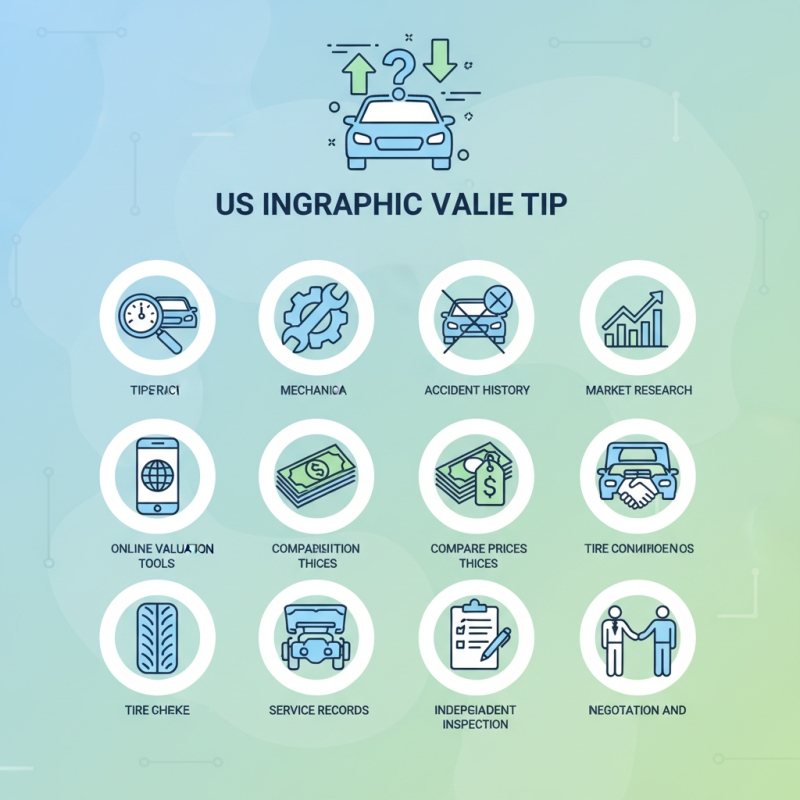
When considering a used car, researching market prices for similar models is essential. Start by checking online platforms that list cars in your area. Compare prices for similar makes, models, and years. This helps you gauge the average price range. Pay attention to the mileage as well. A car with low mileage generally costs more.
Analyzing local listings gives a clearer picture. Look for cars with similar features, such as trim levels and optional extras. Some sellers may price their cars higher, possibly due to sentimental value. Don't let emotions cloud your judgment. Instead, rely on the data you’ve gathered.
Consider consulting local automotive experts or forums for insights. They can provide valuable advice on market trends. Be open to feedback on specific models too. If your chosen car’s price appears too high, reflect on what you’ve learned. Revisiting your research can often reveal overlooked details that impact value.
When evaluating a used car, the vehicle’s condition plays a crucial role. Look for signs of wear on the exterior. Check for dents, scratches, and rust. Inside the car, inspect the upholstery for tears or stains. A well-maintained interior usually indicates a responsible owner.
Maintenance history is equally important. Ask for service records. Regular oil changes and timely repairs can show the car has been cared for. A lack of documentation may raise concerns about neglect. It’s wise to note any major repairs. Replacing a transmission, for example, can be a red flag.
Don’t overlook the importance of a thorough test drive. Pay attention to how the car handles and listen for unusual noises. If anything feels off, it's worth considering. Ultimately, taking your time and being meticulous can reveal a lot about the vehicle’s true value. What may seem overpriced at first glance could turn out to be a great deal—or a costly mistake.
When considering a used car, warranty and service agreements are crucial. A solid warranty can save you money on unexpected repairs. According to a survey by the Automotive Industry Association, cars within the first five years are often covered by a limited warranty. Buyers might find comfort knowing they're protected against major repairs during this period.
Service agreements can also add value. Many dealerships offer service packages, sometimes bundled with the sale. These agreements could include regular maintenance for a certain mileage or time. Research suggests that nearly 30% of used car buyers regret not understanding their service options better. Comprehensive service records can be a red flag or a beacon. Ensure you ask for them upfront.
Without these protections, the risk increases. Older cars often incur higher repair costs. If a vehicle lacks warranty options, it may be overpriced. Remember, a thorough inspection goes beyond the sale price. Factor in potential repair costs when evaluating value. Checking these details can make a significant difference in your purchasing decision.
When considering a used car, mileage is a crucial factor. A vehicle's mileage often indicates its usage and potential longevity. According to industry experts, the average driver covers about 12,000 to 15,000 miles per year. Therefore, a five-year-old car typically should have between 60,000 and 75,000 miles. Higher mileage can suggest a vehicle may need more maintenance.
It's essential to compare the car's mileage with its age. If a vehicle has significantly higher mileage, it might be overpriced. Consider how that affects its resale value. A well-maintained car with high mileage could still be a good deal. Review its service history to ensure it received regular maintenance.
Tip: Always check the odometer reading against vehicle history reports. These reports can reveal any discrepancies. It may indicate tampering if mileage seems inconsistent.
In contrast, a vehicle with low mileage could also raise suspicions. Cars left unused for long periods may develop issues. Tires, brakes, and fluids could deteriorate. However, low mileage often appeals to buyers, so price adjustments may occur.
Tip: Research similar models within the same mileage range. This will provide a benchmark for fair pricing. Always keep in mind the age of the vehicle and what that translates to in terms of wear and tear.
| Car Model Year | Mileage (Miles) | Age (Years) | Mileage per Year (Average) | Price Estimate ($) | Overpriced Indicator |
|---|---|---|---|---|---|
| 2015 | 65000 | 8 | 8125 | 15000 | No |
| 2018 | 25000 | 5 | 5000 | 22000 | Yes |
| 2010 | 90000 | 13 | 6923 | 8000 | No |
| 2014 | 85000 | 9 | 9444 | 14000 | No |
| 2019 | 30000 | 4 | 7500 | 26000 | Yes |
When considering a used car, it is crucial to review vehicle history reports for any past accidents or damage. These reports typically include vital information that can affect the car’s value. Studies show that cars with a history of accidents can be worth 10% to 30% less than similar, undamaged models. Knowing this statistic can help buyers negotiate more effectively.
Look for indicators of serious incidents. A car that has sustained frame damage may not perform as reliably. Moreover, it might have hidden issues that can lead to costly repairs down the road. Certain reports will detail whether airbags have been deployed or if the vehicle has been classified as a total loss. These factors significantly impact the vehicle's long-term safety and reliability.
It's not just about the numbers. A clean history can pave the way for peace of mind. Conversely, a checkered report may prompt additional inquiries into the vehicle's condition. If the report shows repeated repairs for the same issue, it could hint at underlying problems. Always weigh these details against the asking price. They are crucial in determining whether the car is indeed overpriced.
: It helps you understand average price ranges for similar makes and models.
Compare the mileage with its age. Typically, a five-year-old car has 60,000 to 75,000 miles.
Yes, if the car is well-maintained. Check its service history for regular maintenance records.
Reflect on your research. Revisit data to find details that may affect the car’s value.
Check the odometer reading against vehicle history reports for discrepancies or tampering.
Low-mileage cars might have issues from lack of use, affecting tires and brakes.
No, rely on the data you’ve gathered instead of sentimental value in pricing decisions.
Consult local automotive experts or online forums for valuable insights on car prices.
Not necessarily. Some may include extra features or enhancements that justify the price.
Consistently review your research and stay organized to capture relevant information.
When considering how to check if a used car is overpriced, it is essential to employ a multi-faceted approach. Begin by researching market prices for similar vehicles to establish a baseline for comparison. Evaluating the vehicle's condition and maintenance history is crucial, as these factors can significantly influence a car's value. Furthermore, checking for available warranty and service agreements can add peace of mind and potentially influence pricing.
Another important aspect involves assessing the vehicle's mileage in relation to its age. A low mileage often suggests less wear and tear, which can justify a higher price, while excessive wear could indicate potential future costs. Finally, reviewing vehicle history reports for any prior accidents or damage can uncover hidden issues that affect the worth of the car. By following these guidelines, buyers can make informed decisions and avoid overpaying for a used automobile.

Pixy Car