Choosing between a used car and a certified pre-owned model is not just a question of price. It is a trade-off between upfront savings, inspection standards, warranty coverage, and peace of mind. Cox Automotive estimated about 38.6 million U.S. used-vehicle sales in 2024, including retail and wholesale transactions. That figure signals a broad market, but it does not tell shoppers which individual car is dependable. The details matter.
Cost deserves careful attention. Experian’s Q4 2024 State of the Automotive Finance Market reported an average used-vehicle loan amount of $26,144 and an average monthly payment of $521. These are market averages, not promises about your offer. A certified pre-owned vehicle may cost more than a similar non-certified car, but its inspection requirements and warranty can add value. Check exactly what the certification covers. Compare mileage, service records, vehicle-history reports, and warranty exclusions before deciding. A clean-looking dashboard proves little.
What is better used or certified pre-owned depends on your budget, risk tolerance, and the specific vehicle. A well-maintained used car may be the smarter buy; certification is not a guarantee against future repairs. That distinction is easy to blur. These seven tips will help you compare the real costs, verify the car’s condition, and decide which option fits your needs.
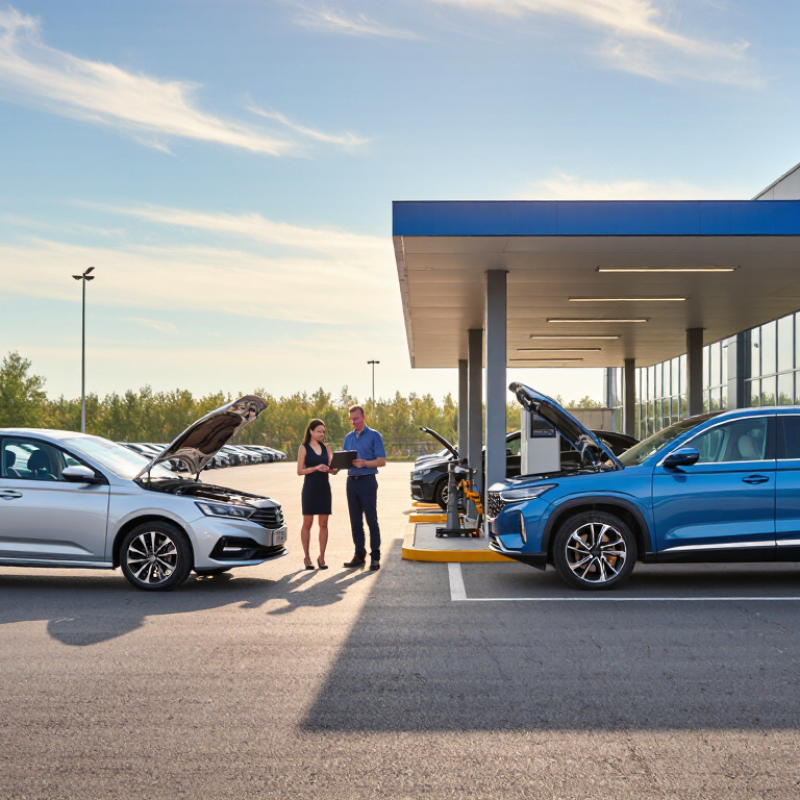
What “Used” and “Certified Pre-Owned” Mean
“Used” is a broad description, not a promise about a car’s condition. It may have one previous owner or several, and its service history can be complete, patchy, or missing. A clean dashboard does not reveal worn brake pads or an old battery. Details matter.
“Certified pre-owned” usually means a used vehicle has met a seller’s program requirements. These may include age and mileage limits, a multi-point inspection, repairs, and some warranty coverage. The standards are not identical everywhere. Read the actual inspection report and warranty terms; the word “certified” alone tells you little about exclusions, deductibles, or repair locations.
A practical check is to compare the paperwork with the car in front of you. Look for dated service records, tire wear, and signs of repainting, then arrange an independent inspection if possible. A certification can add useful reassurance, but it does not make a vehicle flawless. I’d be careful not to treat a polished report as proof that every future repair is covered. Ask what the warranty pays for, how long it lasts, and whether routine maintenance is required.
How Price, Depreciation, and Financing Compare
Price is often the clearest difference, but the sticker is only part of the calculation. Cox Automotive reported an average used-vehicle listing price of $25,565 in December 2024. Certified pre-owned vehicles usually cost more than comparable non-certified cars because they meet inspection standards and include added warranty coverage. That premium may be worthwhile if a repair would strain your budget. Or it may not. Compare the specific warranty, inspection terms, and vehicle history rather than relying on the certification label alone.
Depreciation affects both choices, though a used car has already absorbed some of its steepest early value loss. In its 2024 study, iSeeCars estimated that new vehicles lost an average of 38.8% of their value over five years. Meanwhile, Experian’s Q4 2024 report put average used-car loan rates at 11.26%, compared with 6.56% for new-car loans. Those are market averages, not a promise of your rate. Some certified vehicles may qualify for special financing, but eligibility and total cost vary. A lower monthly payment can still hide a longer loan. Check the out-the-door price, APR, loan term, and expected resale value side by side. I’d also leave room for doubt: a well-maintained, independently inspected used car can be a better buy than a certified one with a costly premium.
What Inspections, Warranties, and Vehicle History Reveal
A used car and a certified pre-owned (CPO) car can look equally clean under bright showroom lights. The difference often lies in the inspection record, warranty, and history—not the shine. CPO programs typically require a documented inspection, but the number of checks and repair standards vary. Ask to see the actual checklist, not just a window sticker. Details matter.
A warranty is useful only when its limits are clear. Check the coverage period, mileage cap, deductible, and exclusions for items such as brakes or tires. Ask whether repairs must be approved in advance and where they can be completed. A short test drive may not reveal a noise that starts after the engine warms up. An independent mechanic can inspect the car before purchase, even if it has passed a CPO review.
Vehicle history reports may show recorded accidents, ownership changes, and service entries, but they cannot confirm every event. Records can be incomplete. Compare the report’s vehicle identification number with the car, then look for matching dates in service receipts. A clean report is reassuring, not a promise. I’d weigh missing maintenance records carefully, though paperwork alone can sometimes make a sound car look worse than it is.
How Ownership Costs and Risks Differ
A used car’s lower price can leave room for immediate work, but the savings are not guaranteed. An independent inspection may reveal worn tires, fluid seepage, or a weak battery before you buy. Repairs can quickly narrow the price gap. Ask for service records, then compare them with the inspection findings. Maintenance history matters more than a spotless cabin. Records may be incomplete. Keep a repair reserve separate from your monthly payment, and check whether the car’s age or mileage could raise insurance costs.
Certified pre-owned cars usually cost more because they meet program requirements and may include limited warranty coverage. Read the exclusions, deductible, mileage limits, and transfer terms; coverage varies. A warranty may not cover every sensor or worn part. That matters when a warning light appears weeks after purchase. Certification can reduce uncertainty, but it cannot remove it. Compare the full cost over your planned ownership period: purchase price, financing, insurance, scheduled service, and likely repairs. Estimates are imperfect, and even a careful inspection can miss an intermittent fault. I would not treat a certificate as a promise of trouble-free driving. Choose the option that fits your repair budget and tolerance for surprises.
How to Choose the Right Option for Your Needs
Your best choice depends on how you drive, what you can spend, and how much repair risk you can handle. A used car may cost less upfront and offer more choices within your budget. That can leave room for winter tires or a needed repair. But a low asking price is not the whole cost. Ask for maintenance records, review a vehicle history report, and arrange an independent inspection. Look closely at tire wear, fluid leaks, and warning lights. Small clues count.
Certified pre-owned cars usually pass a set inspection and may include added warranty coverage, but standards vary. Read the written terms: check what is covered, how long coverage lasts, and where repairs can be completed. Also compare the certification fee and price with similar used cars. That matters. If you commute long distances or depend on the car daily, predictable coverage may be worth paying more for. If you drive occasionally and can keep savings for repairs, a carefully inspected used car may fit better. I still think the comparison is messier than it sounds; certification cannot guarantee a trouble-free car, and a non-certified car is not automatically a poor choice. Set a firm total budget, test-drive both options on familiar roads, and choose the one whose condition and paperwork you can verify.
Used vs. Certified Pre-Owned: Which Is Better?
How to read this: This qualitative comparison shows typical advantages, not a statistical survey. Certified pre-owned programs typically include an inspection and added warranty coverage, though terms vary. Used cars often cost less upfront, but inspection, warranty, and vehicle condition vary—review the vehicle history and warranty details before buying.
FAQS
Not always. It may include an inspection and extra warranty coverage. Compare its price, coverage terms, and vehicle history with similar used cars.
The average listed price was $25,565. That figure is a market average, not a guide to every car or local listing.
A used car has already gone through some early depreciation. New vehicles lost an average of 38.8% of their value over five years in one 2024 study.
Recent averages showed 11.26% for used-car loans and 6.56% for new-car loans. Your rate may differ. Compare APR, loan length, and total cost.
Ask for the written checklist and repair standards. A window sticker is not enough. An independent mechanic can still spot issues.
Check the coverage period, mileage limit, deductible, and exclusions. Ask where repairs are allowed and whether approval is needed beforehand. Small print matters.
No. Reports can miss events or service records. Match the vehicle identification number and compare report dates with service receipts.
Check maintenance records, tire wear, fluid leaks, and warning lights. Take a test drive on familiar roads. I may trust paperwork too much, but missing records still deserve a closer look.
Added warranty coverage may offer more predictable repair costs for daily driving. If you drive rarely and have repair savings, an inspected used car may fit better. Neither choice guarantees trouble-free driving.
Conclusion
Choosing between a used vehicle and a certified pre-owned one depends on your budget, priorities, and tolerance for uncertainty. Used vehicles are often less expensive upfront and may offer more choices, but they can lose value differently and financing terms may vary. Certified pre-owned vehicles usually cost more because they have passed a defined inspection process and may include warranty coverage, though the added protection should be checked carefully.
Before deciding, compare the vehicle’s history, inspection results, warranty details, and expected ownership costs, including maintenance and repairs. A thorough review can reveal whether a lower purchase price comes with greater risk or whether added certification offers meaningful peace of mind. The question “What is better used or certified pre-owned” has no universal answer: choose the option that fits your finances, driving needs, and comfort with potential repair costs.

 Pixy Car