Buying a used car can feel like finding a bargain. After a flood, however, that bargain may hide serious mechanical and electrical damage. Water can reach wiring, airbags, sensors, brake systems, and transmission components. Mud may remain beneath carpets or inside door panels. A strong air freshener can hide a damp, musty smell.
So, why should I avoid flood-damaged cars? The answer is not only about appearance. Corrosion often develops slowly. A vehicle may start normally during a short test drive, then suffer electrical failures weeks later. Mold, unstable airbags, and damaged safety systems can also create expensive risks. Some problems are easy to miss, even during a professional inspection.
Frank Scafidi, a vehicle-fraud expert and former communications director for the National Insurance Crime Bureau, has warned, “Flood-damaged vehicles can be dangerous and expensive to repair.” His point deserves careful attention. A clean title does not always prove a clean history. Records can be incomplete, delayed, or misunderstood.
Look closely.
Check seat rails, spare-tire wells, carpets, connectors, and fuse boxes. Watch for rust in unusual places. Ask for maintenance records and an independent inspection. A vehicle-history report helps, but it is not perfect. That is an uncomfortable truth.
This guide explains seven practical reasons to avoid flood-damaged cars. It also considers inspection clues, hidden repair costs, safety concerns, resale difficulties, and insurance complications. No single warning proves flood exposure. Several small clues together may reveal the larger story. When doubt remains, walking away is usually cheaper than repairing a mystery.
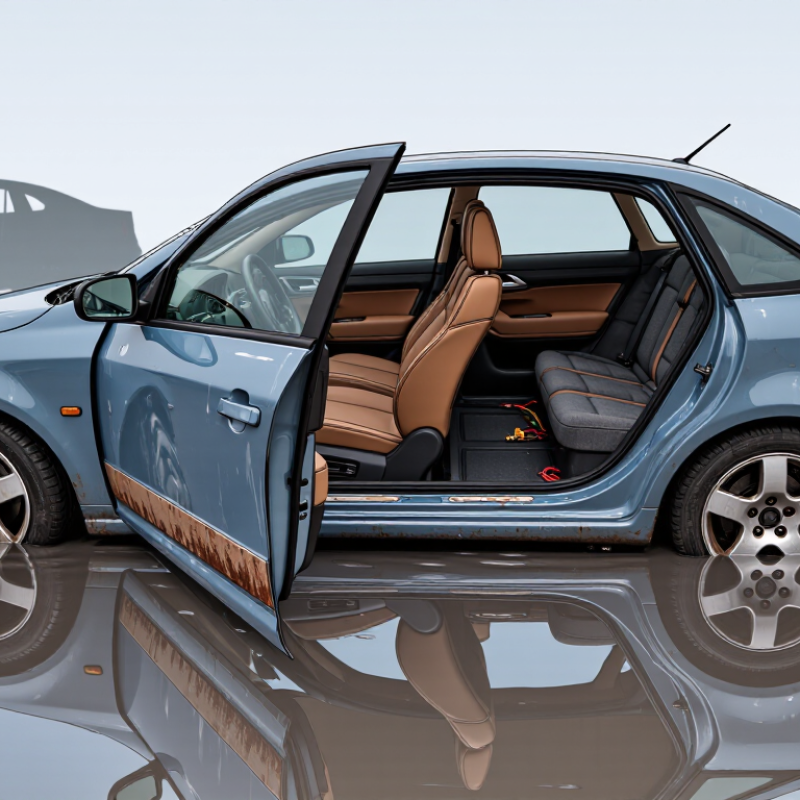
A flood-damaged car may look polished after drying, yet water can remain inside its wiring, sensors, and insulation. The danger is often hidden, not dramatic. Moisture corrodes electrical connections behind door panels and beneath carpets. Months later, windows, lights, or braking controls may fail without warning. A working engine proves very little. Water can damage transmission fluid, wheel bearings, and lubrication surfaces. Some problems appear only after heat, vibration, and repeated driving.
Safety systems deserve particular suspicion. Floodwater can affect airbag modules, seat-belt pretensioners, stability controls, and crash sensors. A dashboard may show no warning light during a short test drive. That does not confirm proper protection. Ask for a complete diagnostic scan, not only a quick code check. An independent technician should remove trim, inspect connectors, raise the carpet, and examine the spare-wheel well. Look for silt, stiff fabric, fresh undercoating, mismatched fasteners, or a musty smell. Small clues matter.
I have learned that a spotless cabin can be misleading, almost embarrassingly so. Visible upholstery may be replaced while hidden corrosion remains untouched. Check damage and maintenance records through dependable sources. Compare mileage, dates, and inspection notes carefully. Be cautious when paperwork seems incomplete or unusually recent. A second inspection is worthwhile, especially after rain or a cold start. Even experienced inspectors can miss moisture inside sealed components. The most revealing evidence may sit beneath a carpet edge or inside a corroded connector.
Floodwater can damage a vehicle long after the body looks clean.
During inspections, technicians often find moisture behind trim, under seats, and inside wiring connectors. These hidden areas may corrode slowly. The car can start normally today. It may fail later. That uncertainty is a serious warning.
Water leaves clues.
Engine oil mixed with water can reduce lubrication and damage bearings. In an automatic transmission, contaminated fluid may cause slipping, harsh shifts, or delayed engagement. Water can also enter wheel bearings, brake components, and fuel systems.
Brakes may feel normal after drying, yet corrosion can weaken moving parts.
Electrical damage is more difficult to judge.
Moisture inside harnesses, control units, and fuse boxes can trigger random warning lights or disable safety systems. Airbag circuits deserve particular caution. A small connector fault may remain invisible during a short test drive.
Interior dampness creates another problem. Wet insulation and carpeting can hold odors, mold, and corrosion beneath the floor.
A careful inspection should include a diagnostic scan, fluid checks, an underbody examination, and selected trim removal where appropriate.
Inspect seat-belt retractors and airbag indicators. Do not rely on a recently cleaned cabin. A strong fragrance can hide moisture, but it cannot repair damaged wiring.
Buyers sometimes focus on price and overlook future repairs. I understand that temptation.
However, flood damage is not always predictable, and even a professional assessment has limits. That is the part many people, including me, must respect.
A flood-damaged car can look normal after a careful repair. Hidden moisture may remain beneath carpets, inside seat foam, or behind door panels. I once inspected a vehicle with a spotless cabin, yet its floor insulation still felt damp. That small detail changed the entire assessment.
Corrosion is often the slowest problem to appear. Water can damage wiring connectors, grounding points, sensors, and fuse boxes. Months later, the car may develop warning lights, stalling, weak headlights, or random battery drain. Repairs may replace visible parts while leaving damaged wires untouched. That is where many buyers get surprised. Badly dried insulation can also create a musty odor and encourage mold growth. A short test drive cannot reveal everything.
Safety systems need special attention. Moisture may affect airbag connectors, seat-belt pretensioners, or braking electronics. A dashboard with no warning lights does not prove every system works correctly. A qualified technician should scan all control modules and inspect wiring under proper lighting. They should also check fluid contamination, fastener rust, and water lines inside the trunk. Service records matter, but records can be incomplete. I would not rely on a seller’s repair description alone. An independent inspection is worth the cost, even when the car looks freshly cleaned. One overlooked connector can become an expensive lesson.
Flood damage can remain hidden even after cleaning and cosmetic repairs. The chart shows seven major inspection areas identified in official vehicle-flood guidance, ranked by the number of separate hidden failure points commonly associated with each area. These values indicate inspection complexity, not the probability of failure.
Key concerns include corrosion inside wiring and connectors, malfunctioning airbags and seat-belt pretensioners, contaminated fluids, brake problems, mold, and delayed electrical failures. A professional inspection and vehicle-history check are essential before purchase.
Reference: National Highway Traffic Safety Administration guidance on flood-damaged vehicles and consumer vehicle inspection recommendations.
Flood-damaged cars can look affordable while hiding serious financial risks. Water may reach wiring, sensors, carpets, and safety systems beneath clean upholstery. The damage is quiet. A vehicle might start normally today, then develop electrical faults weeks later. Corrosion can spread through connectors and cause warning lights, failed windows, or sudden battery drain. These repairs often require repeated diagnosis, not one simple replacement.
Buyers may also face higher ownership costs. Mold odors can return after professional cleaning. A damp fuse box may damage several connected components. Replacing them can cost far more than the original discount. Insurance coverage may be limited if previous water damage was not disclosed clearly. Financing can also become difficult when inspection records or vehicle history raise concerns.
Resale value creates another risk. Future buyers may demand major discounts after discovering flood-related repairs. Some vehicles carry severe interior damage that photographs cannot show. Check the carpet edges, seat rails, spare-wheel well, and door cavities for silt or unusual moisture. A qualified mechanic should scan electronic systems and inspect corrosion underneath the vehicle. Do not rely only on a clean title or a fresh-looking cabin. That is an easy mistake. I would also request written repair invoices and an independent history report, although neither source is perfect. Small savings today may become months of troubleshooting tomorrow.
7 Tips Why You Should Avoid Flood-Damaged Cars?
How to Identify and Avoid a Flood-Damaged Vehicle
Tip 1: Check the vehicle history before viewing the car. A 2024 report from the National Insurance Crime Bureau noted that hundreds of thousands of flood-damaged vehicles may return to the market after major storms. Tip 2: Match the vehicle identification number on the dashboard, door frame, and paperwork. Mismatched records deserve caution. Tip 3: Inspect hidden areas, including under carpets, inside the spare-tire well, and beneath seats. Mud, sand, water lines, or a musty smell can reveal previous flooding. The cabin may look perfect.
Tip 4: Test every electrical feature. Operate the windows, lights, audio system, warning signals, and seat controls. Floodwater can corrode connectors slowly, so a car may work today and fail later. The National Highway Traffic Safety Administration warns that water damage can affect electrical systems, airbags, brakes, and other safety equipment. Tip 5: Look for fresh upholstery, mismatched carpets, or unusually strong air freshener. These details may hide odors. A clean interior proves little.
Tip 6: Ask for an independent inspection on a lift. A qualified technician can check corrosion, wiring, fluid contamination, and damaged underbody components. Tip 7: Never rely only on a low price or a clean-looking engine bay. National insurance data consistently shows that flood vehicles can travel far from the original storm area. I might overlook a small stain or a missing fastener. That is why a professional inspection and documented history matter.
Water may remain inside wiring, insulation, sensors, and seat foam. A polished cabin proves very little. Corrosion can develop months later.
No. Water may have damaged transmission fluid, bearings, lubrication surfaces, or electrical controls. Heat and vibration can reveal problems later.
Check beneath carpets, behind door panels, under seats, and inside the spare-wheel well. Look for silt, damp insulation, rusted connectors, or musty odors.
Inspect airbag circuits, seat-belt retractors, crash sensors, braking controls, and stability systems. No dashboard warning light is not proof of proper protection.
Look for stiff fabric, fresh undercoating, mismatched fasteners, water lines, and unusual fragrance. Small clues can matter more than a spotless interior.
Water-contaminated oil can reduce lubrication and damage bearings. Contaminated transmission fluid may cause slipping, harsh shifts, or delayed engagement.
Yes. Moisture inside harnesses, fuse boxes, and connectors may cause warning lights, weak headlights, stalling, or battery drain. One connector can become an expensive lesson.
Request a complete diagnostic scan, fluid checks, and an underbody examination. An independent technician should remove selected trim and inspect wiring carefully.
Records help, but they may be incomplete or unusually recent. Compare mileage, dates, and inspection notes. I would not rely on one repair description.
Usually, yes. Consider checking the car after rain or during a cold start. Even experienced inspectors can miss moisture inside sealed components. No inspection is perfect.
Flood-damaged cars can look clean after basic repairs, yet hidden water exposure may leave them unsafe and unreliable. Floodwater can damage critical systems such as the engine, transmission, brakes, electrical wiring, sensors, airbags, and fuel system. Moisture trapped inside these components may cause corrosion, short circuits, mold, unpleasant odors, and sudden failures long after the vehicle is sold. This is why many buyers ask, “Why should I avoid flood-damaged cars?”
The financial risks can also be serious. Ongoing repairs may cost more than expected, while reduced reliability and resale value can create additional losses. To avoid these problems, inspect the vehicle’s history, check for water lines, rust in unusual areas, damp carpets, mismatched upholstery, cloudy lights, and electrical warning signs. A professional inspection and diagnostic test can reveal issues that are difficult to detect during a short test drive. If the seller cannot provide clear records or the price seems suspiciously low, walking away is usually the safer choice.

Pixy Car