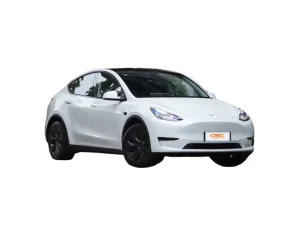
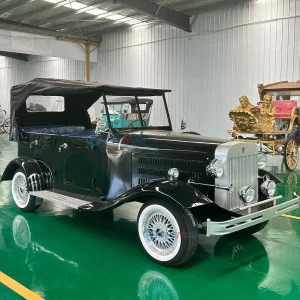
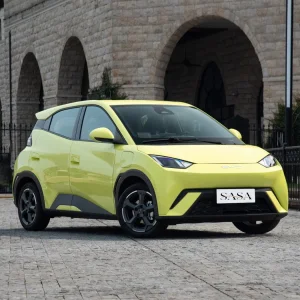
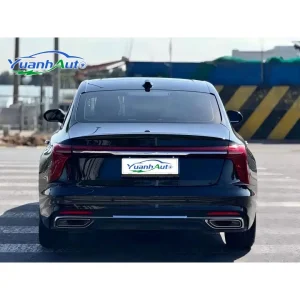
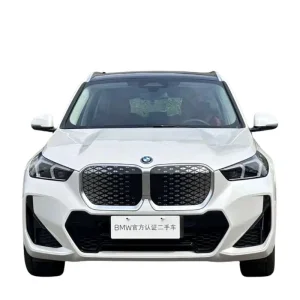
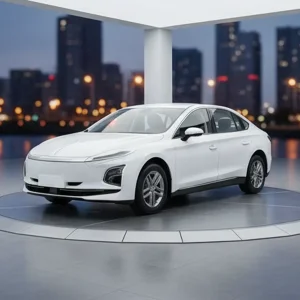
Explore our premium stock of electric sedans, luxury SUVs, hybrid models, and specialty utility vehicles sourced directly from nationwide logistics warehouses.
Decoding the macroeconomic tailwinds driving high-volume containerized procurement of pre-owned trikes.
The global micro-mobility market is experiencing an unprecedented structural shift. B2B buyers—ranging from last-mile logistics operators and postal networks to municipal transit groups—are turning to the used three-wheeler market as a high-ROI alternative to capital-intensive new fleets. Historically powered by internal combustion engines (ICE), the three-wheeler ecosystem is rapidly electrifying. Sourcing certified pre-owned three-wheeled vehicles offers bulk procurement agents a way to roll out zero-emission programs while keeping capital expenditures up to 50% lower than purchasing new configurations.
This dynamic is particularly evident in emerging markets across Southeast Asia, Sub-Saharan Africa, and Latin America. In these regions, high congestion rates, narrow street layouts, and rapid urbanization make three-wheelers the most viable transport medium. However, procurement teams face a highly fragmented supply chain when seeking reliable, bulk quantities of used trikes. Partnering with a consolidated supplier that can provide systematic reconditioning, verified battery state-of-health (SoH) diagnostics, and robust export clearing is critical to minimizing localized procurement friction.
Different geographies present varied procurement demands. Understanding these specific application parameters helps B2B buyers navigate the technical configurations required during the factory sourcing phase:
The technical processes, battery validation frameworks, and mechanical refurbishment workflows that guarantee operation reliability.
Used vehicles undergo structural ultrasonic scanning to detect micro-fractures in high-stress chassis joints. Any frame fatigue is structurally reinforced to ensure full load-bearing compliance.
Traction batteries are tested for State of Health (SoH). Cells failing below 80% capacity are recycled and replaced with brand new LFP (Lithium Iron Phosphate) battery modules for maximum cycle life.
Drivetrain components, including high-torque transaxles, differential gears, brushless DC (BLDC) motors, and electronic controllers, are cleaned, lubricated, re-calibrated, and load-tested.
As logistics grids prioritize reliability, the transition from lead-acid batteries to lithium chemistries is key. Modern logistics demands vehicles that can sustain heavy operating cycles. Our reconditioned models focus on integration of high-performance battery management systems (BMS) with thermal cutoffs, ensuring safe deployment in tropical zones where these vehicles operate for up to 14 hours per day.
Analyzing Chinese manufacturing clusters and strategic cross-border export channels.
The sourcing architecture for used three-wheelers relies heavily on centralized clusters located in mainland China. China's mature EV ecosystem generates a high volume of new energy vehicle upgrades, leaving a steady stream of secondary vehicles, components, and battery resources ready for export. These vehicles, often lightly used in domestic networks, provide the raw material for international reconditioning lines.
Shandong province—specifically the industrial center of Jining—has emerged as the major logistics hub for exporting used energy vehicles, parts, and industrial equipment. These hubs benefit from localized assembly integration, component supply chains, and established logistics pathways directly to primary export terminals including Qingdao, Tianjin, and Shanghai.
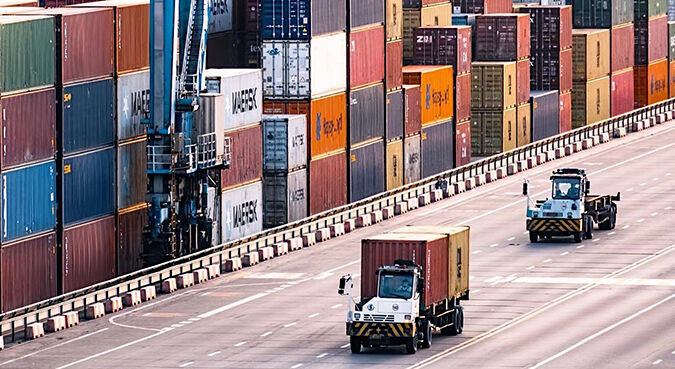
From these hubs, certified pre-owned inventory is loaded into shipping containers or processed through overland shipping lines to Central Asia, Southeast Asia, the Middle East, and beyond. This consolidated approach allows importers to source reliable cargo fleets in volumes of 50 to 500 units per contract.
B2B buyers can configure their used fleets during the order process:
As a leading supplier of new and used vehicles in the industry, Jining Pixy Automobile Sales Co., Ltd. operates a 3,000-square-meter showroom located in the Jining Creative Park. This facility houses a large exhibition space for electric models, showcasing 120 variations of electric vehicles and welcoming over 100 international client delegations annually.
To support global supply chains, we operate five vehicle warehouses nationwide, including port facilities, maintaining a consistent inventory of over 1,000 vehicles. Our distribution network reaches buyers across Central Asia, the Middle East, Southeast Asia, Africa, and South America.
Through our brand Xinxuanyao, we manage supply chains directly in partnership with major vehicle manufacturers. Our team includes nationally certified vehicle surveyors, experienced export managers, and logistical specialists focused on pre-sale inspections and technical support.

Analyzing key advancements in micro-mobility drivetrains, battery management systems, and safety features.
The micro-mobility segment is evolving rapidly as fleet operators demand improved safety and range. Technical advancements in motor design, regenerative braking systems, and battery pack construction are changing how secondary fleets are reconditioned. Understanding these developments allows procurement teams to secure inventory that meets future operational and environmental standards.
Modern drivetrains are transitioning to IPM (Interior Permanent Magnet) brushless motors, which offer higher operating efficiency and thermal resistance under heavy load profiles compared to standard BLDC units.
Smart telematics systems connect used vehicles to fleet management platforms, providing real-time tracking of route metrics, GPS locations, payload statistics, and early battery cell warnings.
Modern controller upgrades recover energy during deceleration, routing charge back to the lithium cells. This setup extends urban operating range by up to 15% in stop-and-go driving conditions.
Direct answers to questions regarding export compliance, shipping volumes, battery conditions, and mechanical standards.
Every battery pack undergoes automated charging and discharging diagnostic cycles. Cells that test below 80% capacity are removed, recycled, and replaced with balanced cells or new LFP (Lithium Iron Phosphate) battery packs before the vehicle is approved for export.
With structural reinforcement and drivetrain servicing, our refurbished steel chassis are designed for an additional 5 to 8 years of operation, depending on road conditions, maintenance schedules, and payload levels.
Depending on the specific dimensions, a standard 40-foot High Cube (HC) container can hold 12 to 15 fully assembled passenger rickshaws or up to 25 partially knocked-down (SKD) cargo units, maximizing shipping container efficiency.
Yes. We supply essential components—including tires, controllers, chargers, and brake pads—shipped with the primary vehicle order to help operators manage maintenance needs locally.
We supply standard commercial invoices, packing lists, Bills of Lading, Certificate of Origin documents, and inspection certificates to meet specific customs requirements in destination countries.
Yes. Fleet orders can include factory-applied exterior vinyl wraps, custom paint schemes, and safety decals based on your organization's brand identity guidelines.
Yes. We offer upgraded high-torque gear axles and high-output motor controllers to handle climbing gradients of up to 20% in hilly regions.
We accept Telegraphic Transfers (T/T) and Letters of Credit (L/C), structured with a deposit followed by balance terms upon inspection and cargo dispatch.
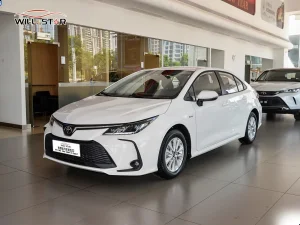
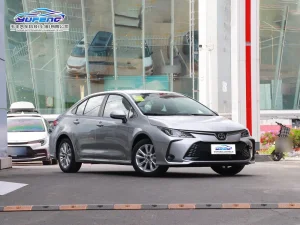
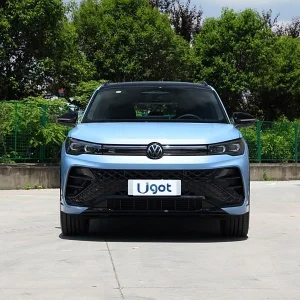
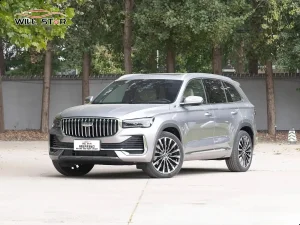
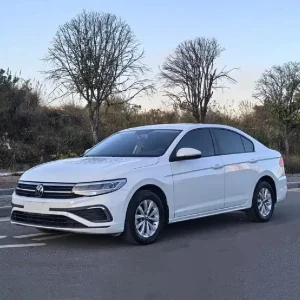
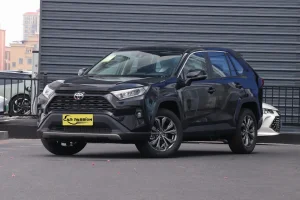
Browse our complete range of certified pre-owned passenger sedans, hybrid models, compact SUVs, and specialized logistics equipment.
 Pixy Car